Most people don’t realise this until it happens twice.
You buy a dining table.
It looks good.
It fits the budget.
It works fine.
Then two years pass.
There are scratches you didn’t plan for.
The surface has stains you can’t remove.
The legs wobble slightly.
You are suddenly careful around it.
You stop placing hot things directly.
You start adjusting your behaviour for the furniture.
And one day, without announcing it, the thought appears:
“I’ll replace this later.”
That is the most expensive sentence in home furnishing.
The real cost of furniture is not the price. It’s replacement.
Most homes don’t suffer from bad taste.
They suffer from repeat buying.
A coffee table replaced in three years.
A dining table changed after one move.
A bench that didn’t age well.
A side table that looked dated quickly.
Each time, the justification is the same:
“This one wasn’t meant to last anyway.”
That is how average furniture trains you to think.
If you are already thinking about replacing furniture you bought not long ago, it may help to look at pieces designed to stay put for years. Some materials are simply built for long term use rather than short term trends.
What if you bought furniture assuming you’ll never replace it?
This single question changes every decision.
When you buy with the assumption that:
Your material choices narrow instantly.
That is where concrete enters the picture.
Not as a design trend.
As a long term decision.
Why concrete furniture changes the replacement cycle
Concrete behaves differently from most materials people are used to.
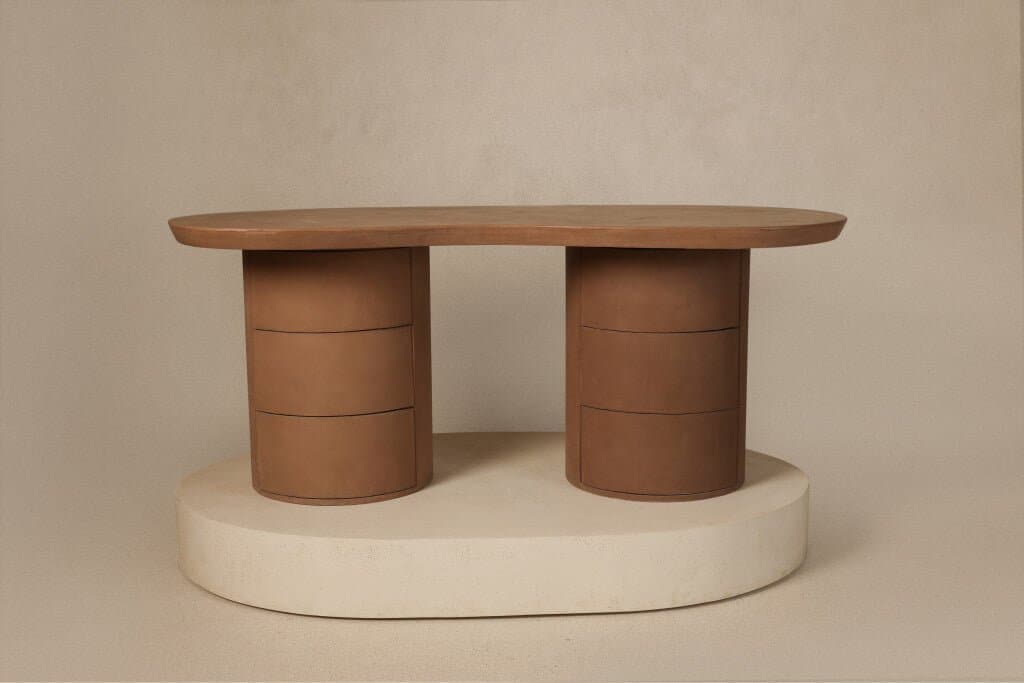
A concrete dining room table does not bend, swell, or visually weaken over time. It remains the same object you bought, even as everything else around it changes.
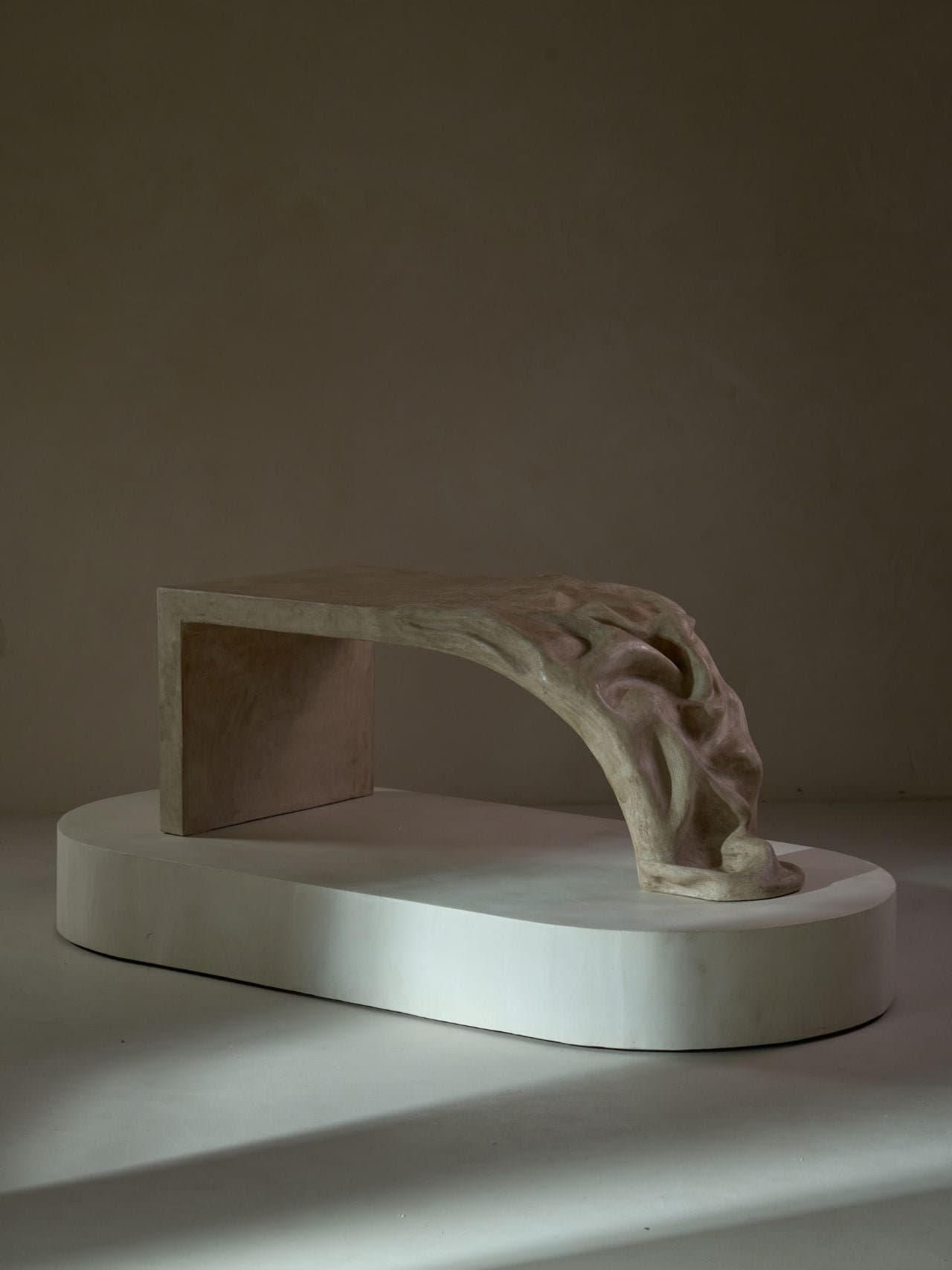
A concrete bench does not loosen, creak, or feel temporary. It stays stable whether it’s used daily or occasionally.
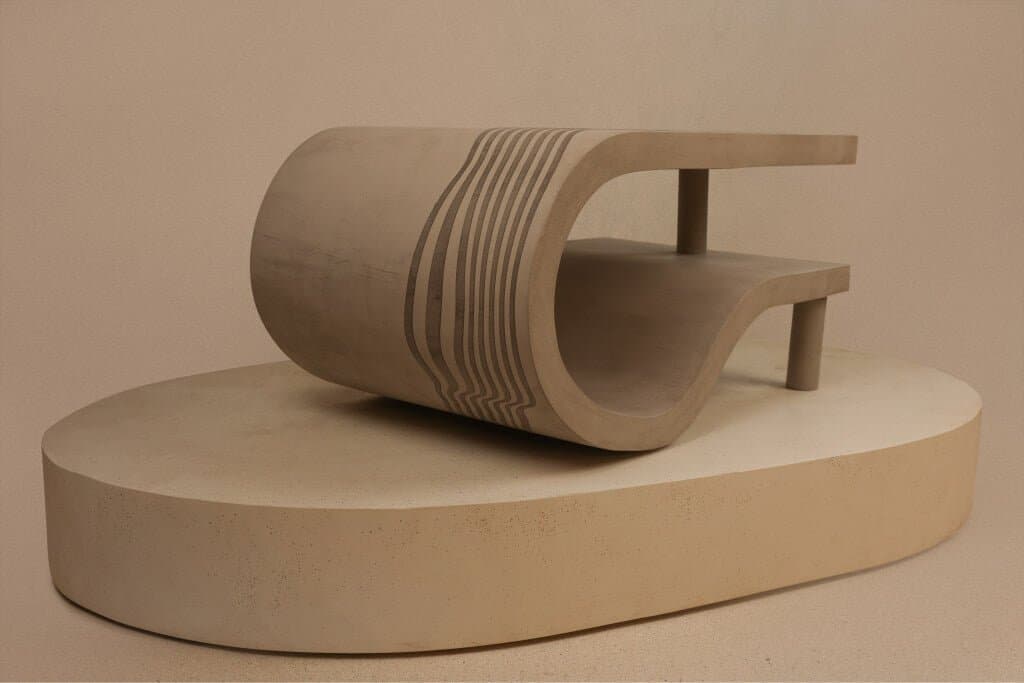
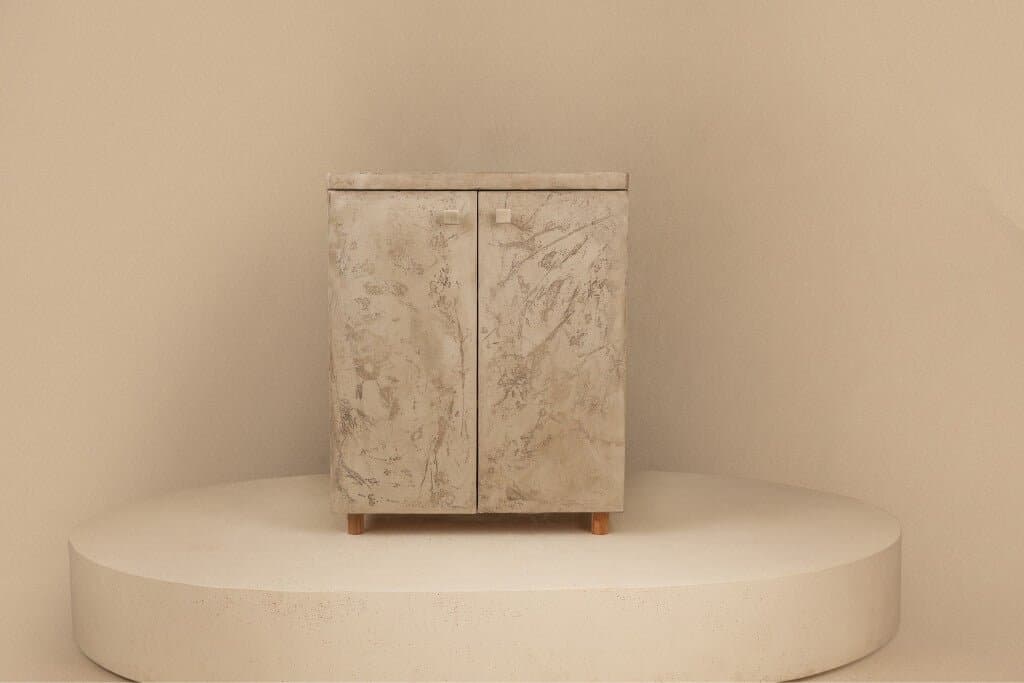
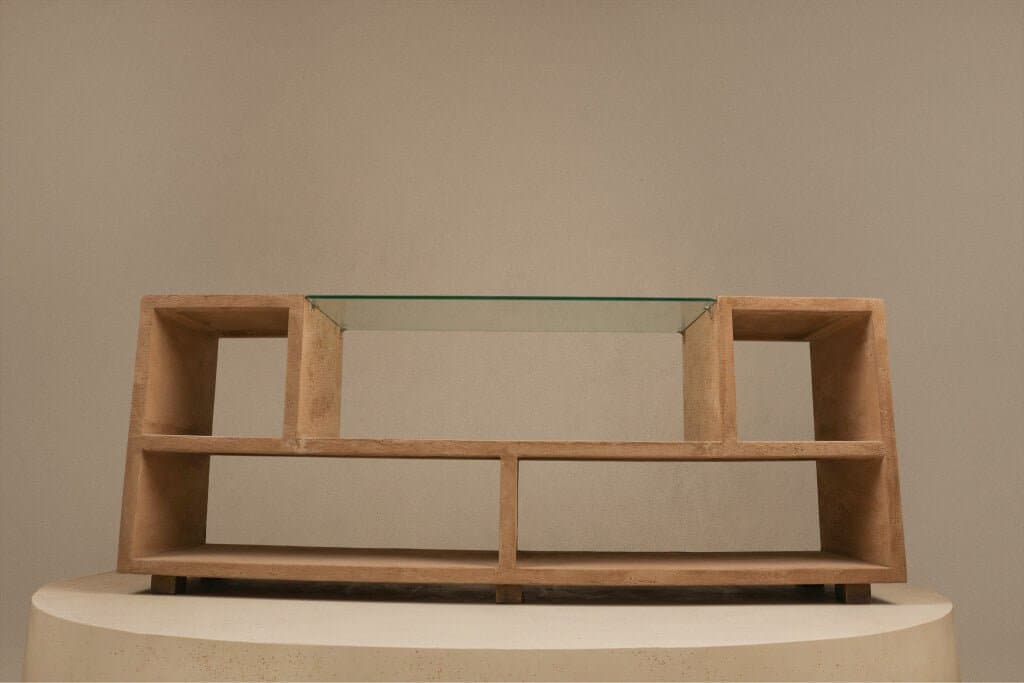
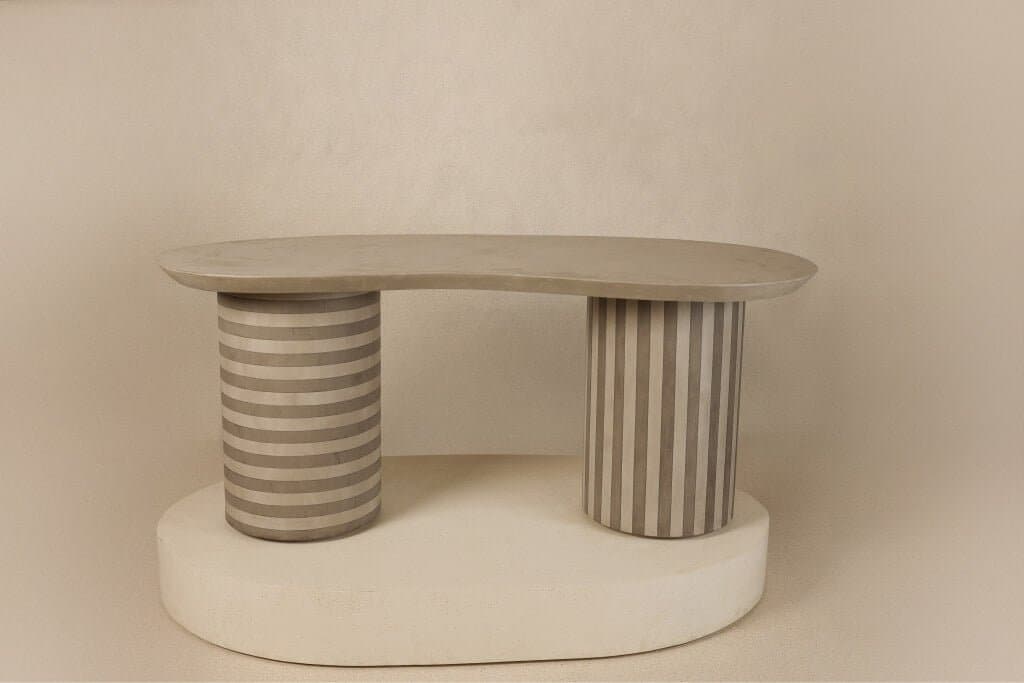
A micro concrete coffee table does not accumulate visible damage the way wood or glass does. Marks blend into character instead of becoming defects.
A concrete side table does not look like a stopgap purchase. It holds its place confidently.
This matters more than aesthetics.
The moment buyers usually switch to concrete (and why)
Almost no one buys concrete furniture as their first choice.
They arrive here after:
-
replacing furniture once already
-
being tired of maintenance
-
wanting fewer but better pieces
-
realising that “budget” purchases cost more long term
Concrete is rarely an impulse buy.
It is a correction.
And correction purchases convert faster because the pain is already felt.
This is usually the point where people stop browsing randomly and start looking more carefully at what they actually want to live with every day. Seeing a few well designed concrete tables and benches together often brings clarity faster than reading another comparison.
The question buyers are really asking (but not typing)
People don’t search for “concrete furniture” because they love concrete.
They are asking:
“Can I buy something and stop worrying about it?”
Concrete answers that question quietly.
Why sets work better than single pieces
Another mistake people make is buying furniture in isolation.
A table from one brand.
A bench from another.
A lamp that doesn’t quite match.
This creates visual noise and replacement later.
A concrete table and benches combination removes that risk.
Buyers who choose sets replace furniture far less often.
That is not design advice.
That is behavioural data.
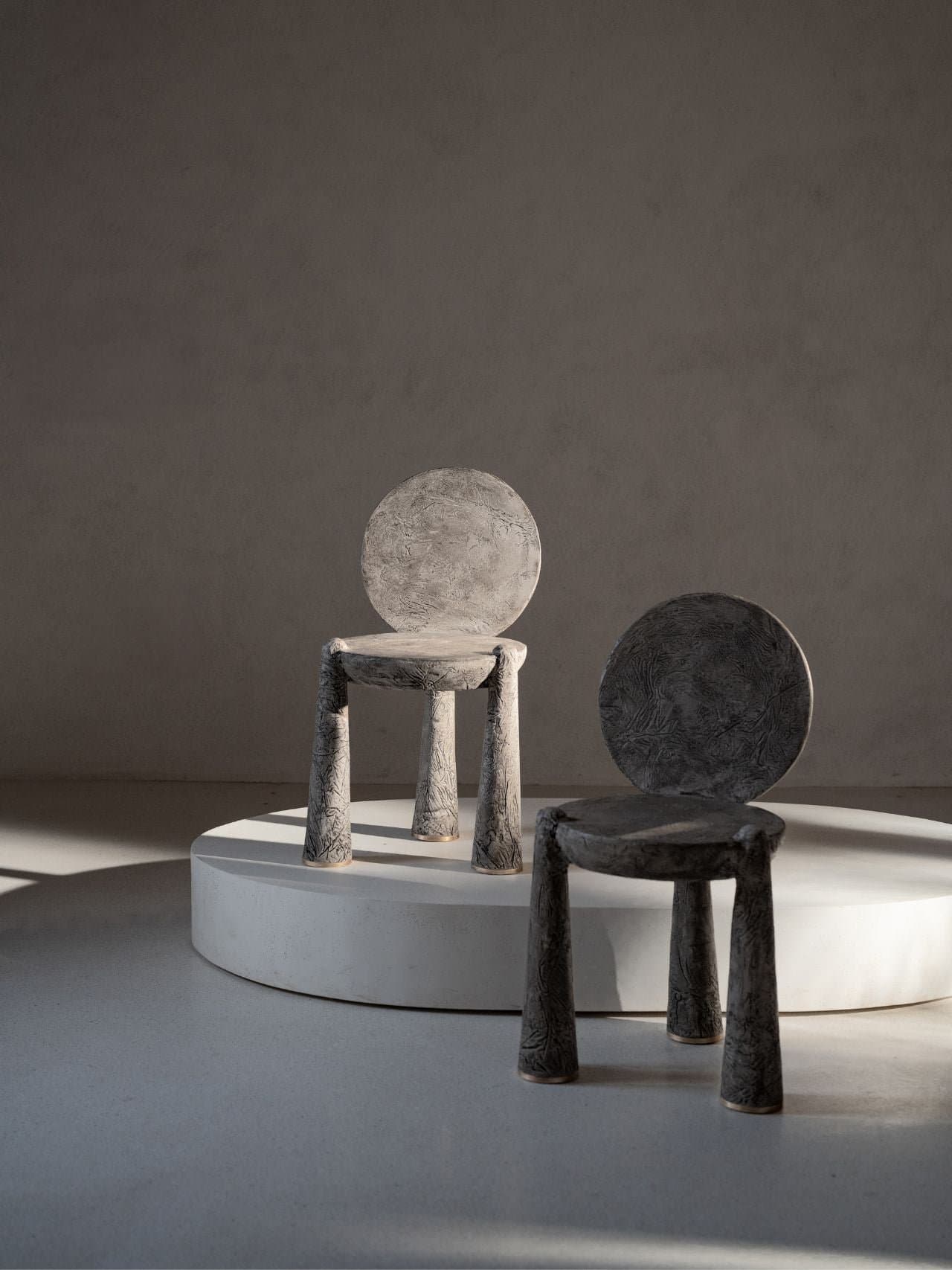
Concrete chairs are not about seating. They are about authority.
Most chairs disappear into rooms.
Concrete chairs do the opposite.
They:
They remove the need for extra decor.
When one piece does more, you buy fewer things.
Again, replacement drops.
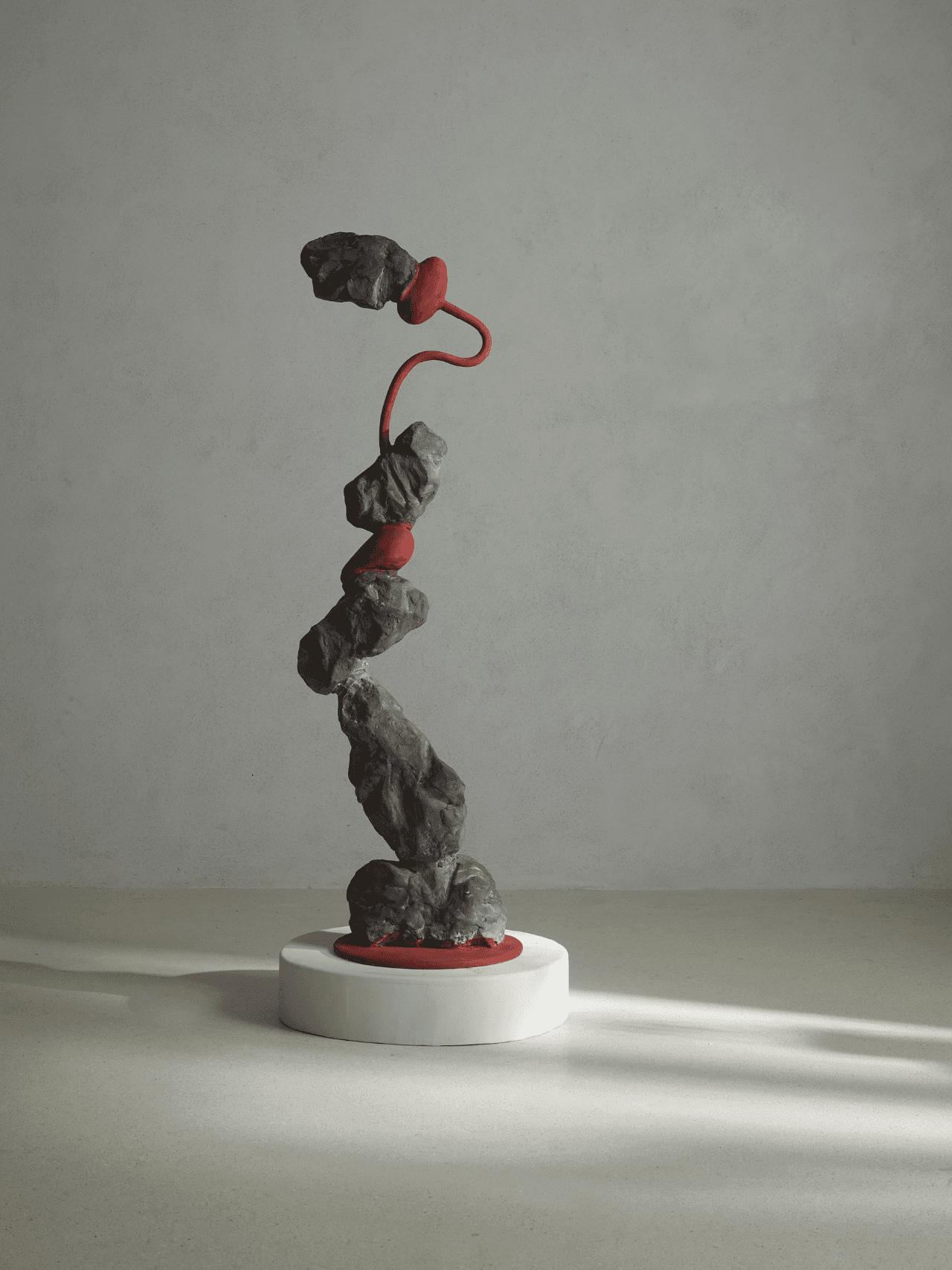
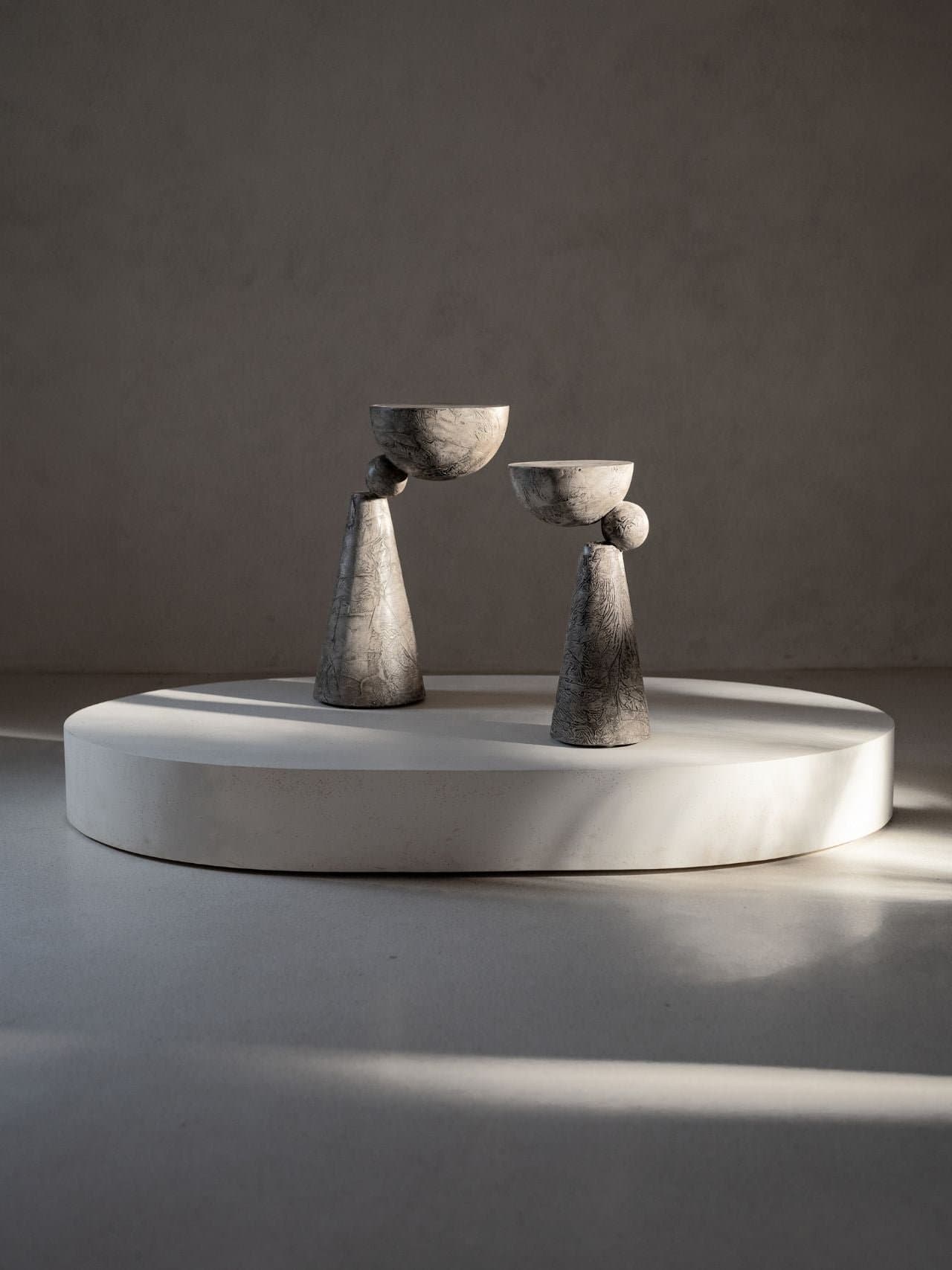
Sometimes one strong piece does more for a room than three decorative ones. This is where sculptural chairs or benches quietly earn their place without needing constant rearrangement.
The price objection, addressed honestly
Concrete furniture costs more upfront.
But here’s the uncomfortable truth:
Buying twice always costs more than buying once.
If a wooden table costs X and lasts 3 years
And a concrete table costs 1.6X and lasts 15 years
The cheaper option was never cheaper.
Most people just don’t calculate furniture like this.
Who should NOT buy concrete furniture
This matters for trust.
Concrete is not for you if:
-
you like changing furniture often
-
you want ultra light visual styles
-
you enjoy frequent decor updates
-
you treat furniture as temporary
Concrete is for people who want to settle decisions.
That clarity is what converts the right buyers.
The quiet promise concrete makes
Concrete does not promise beauty that fades.
It promises presence that stays.
It does not ask for care.
It does not beg for attention.
It does not panic with use.
It simply exists. Reliably.
For many buyers, that is the luxury they’ve been missing.
If you are tired of replacing furniture
Then this is not about concrete.
It is about ending the cycle.
Buying once.
Living freely.
And never thinking about that piece again.
That is what concrete furniture offers when chosen intentionally.