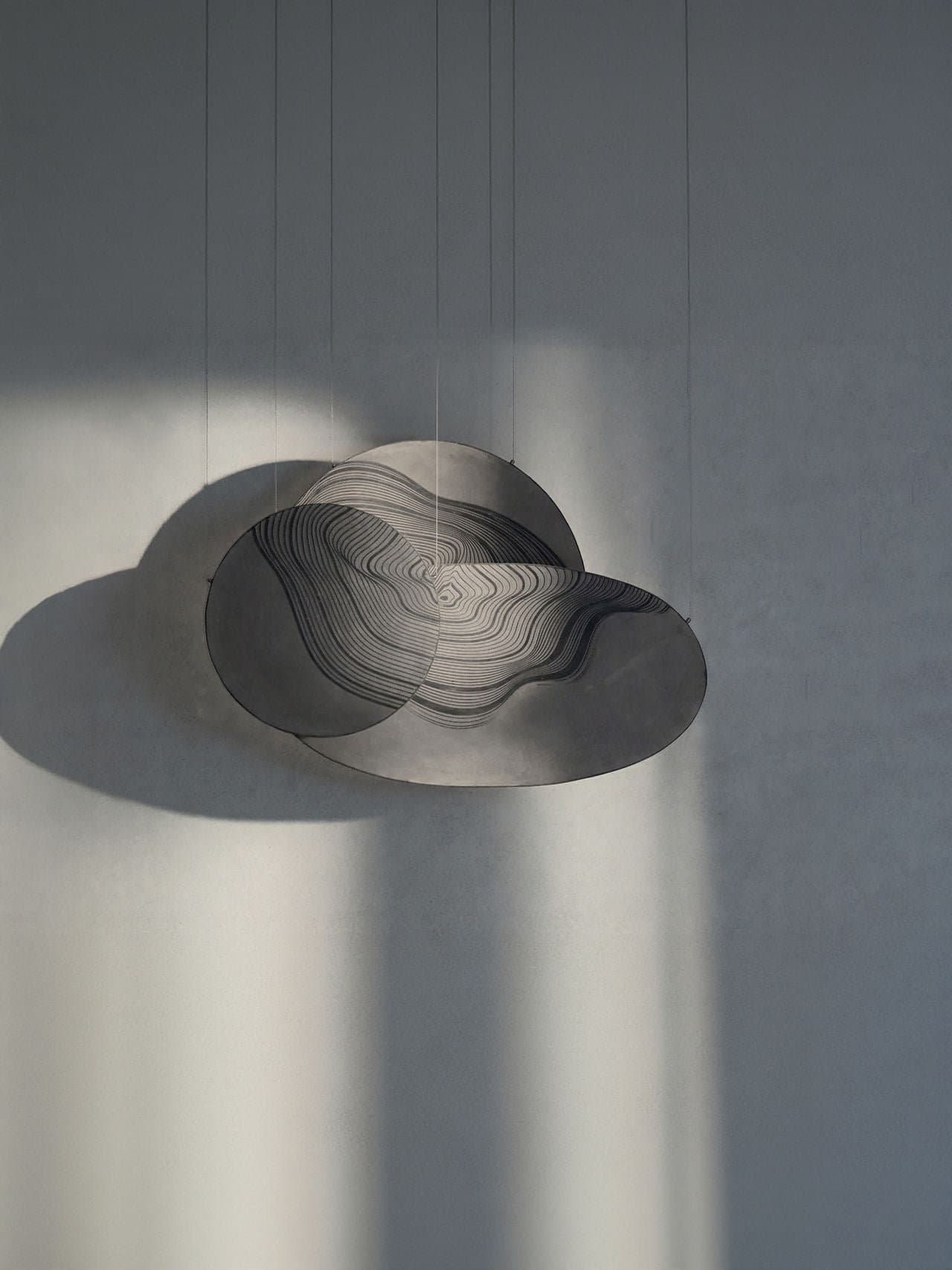
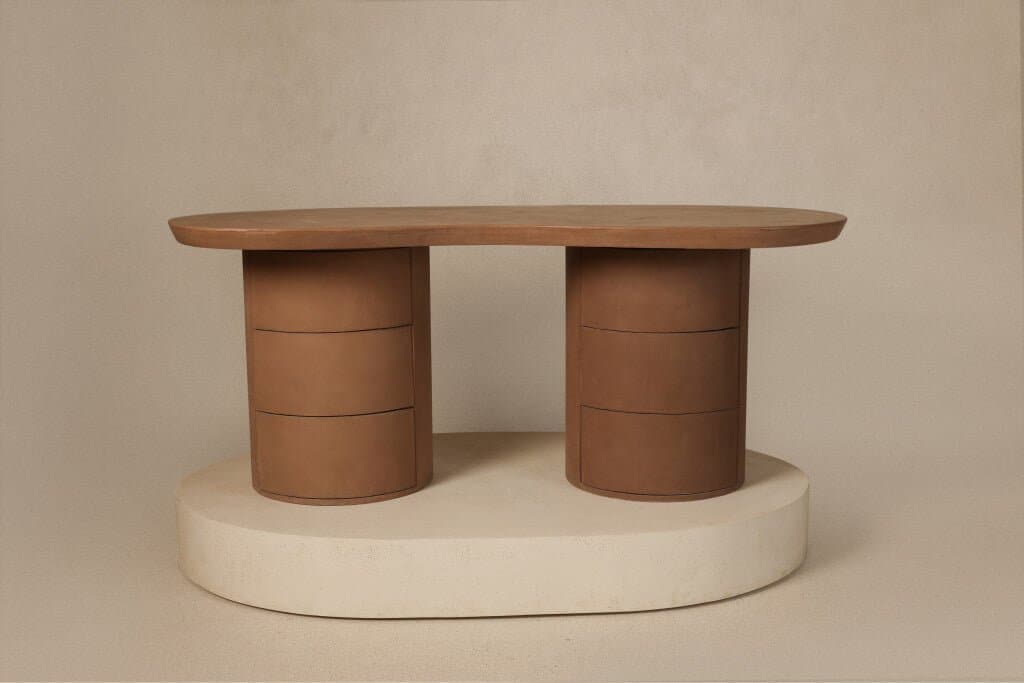
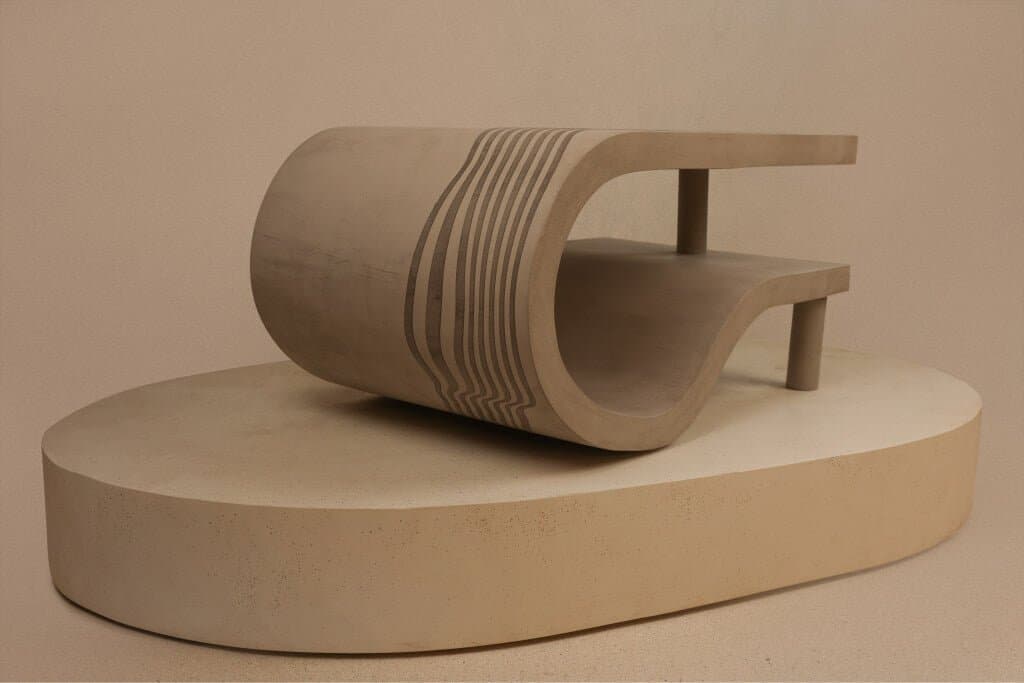
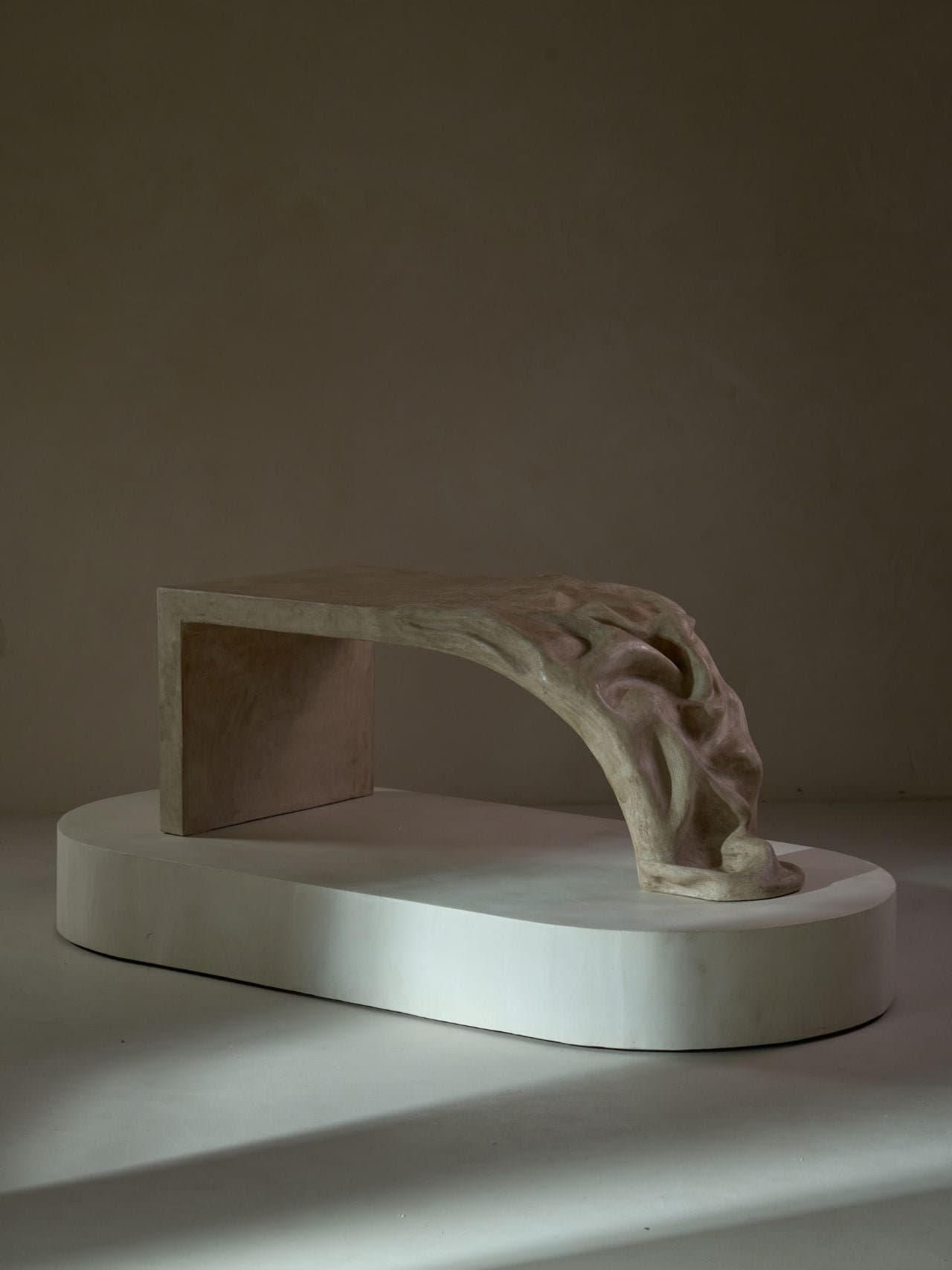
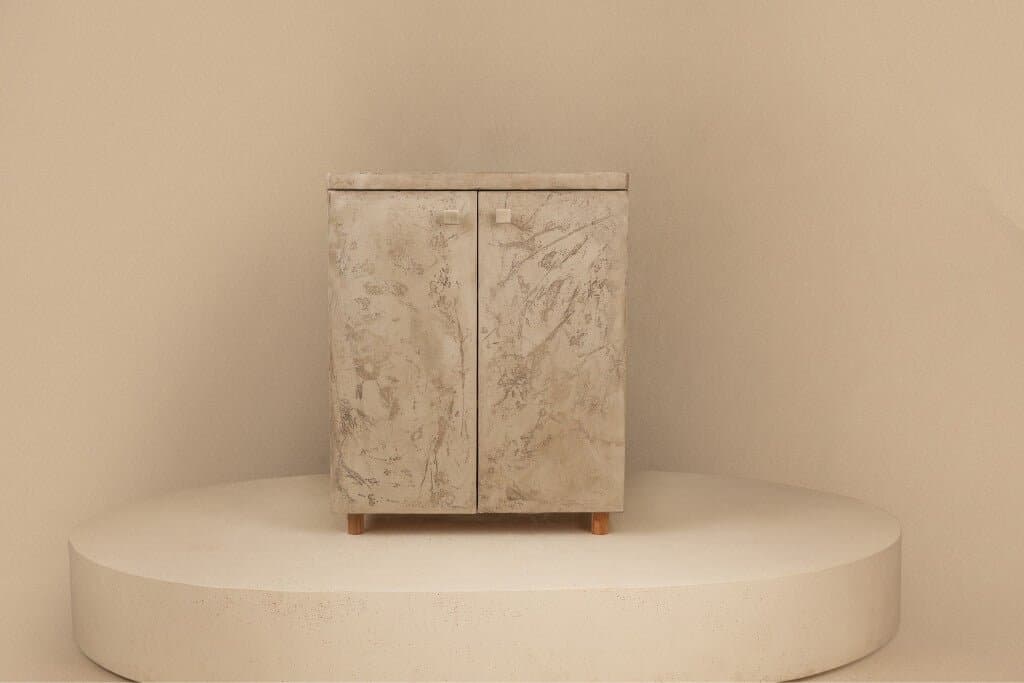
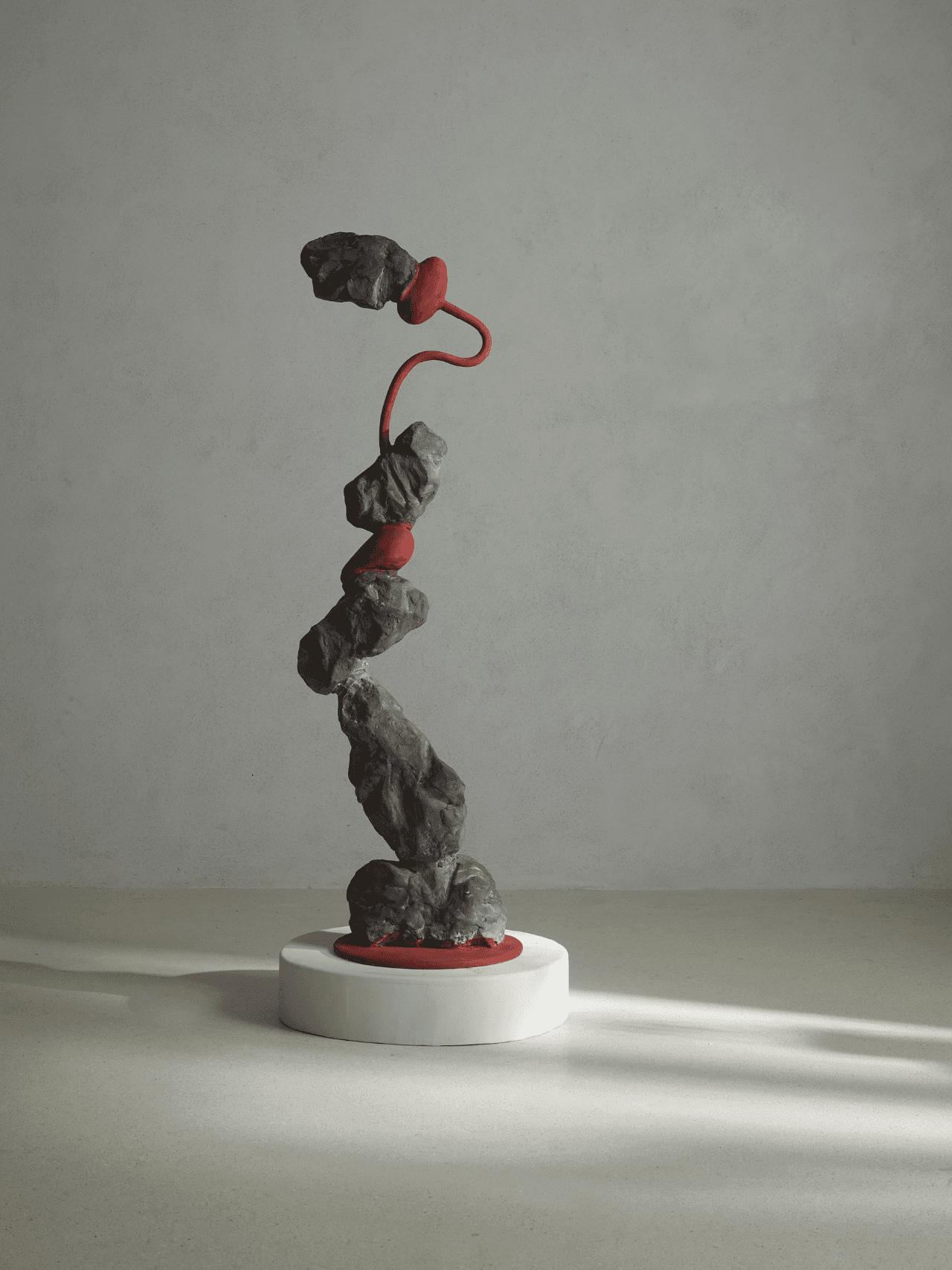
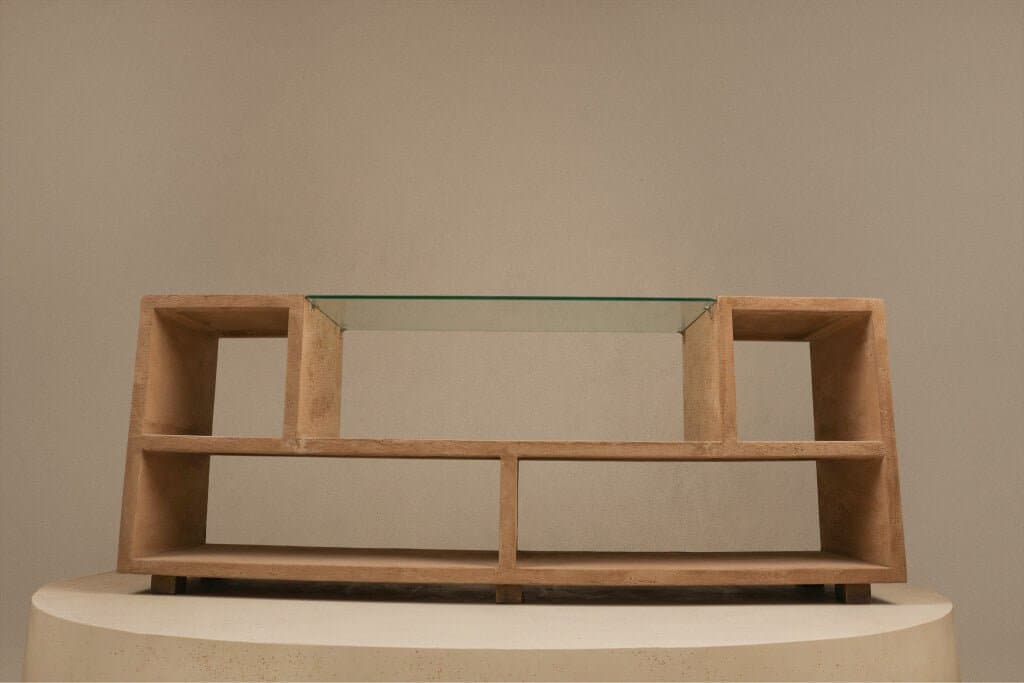
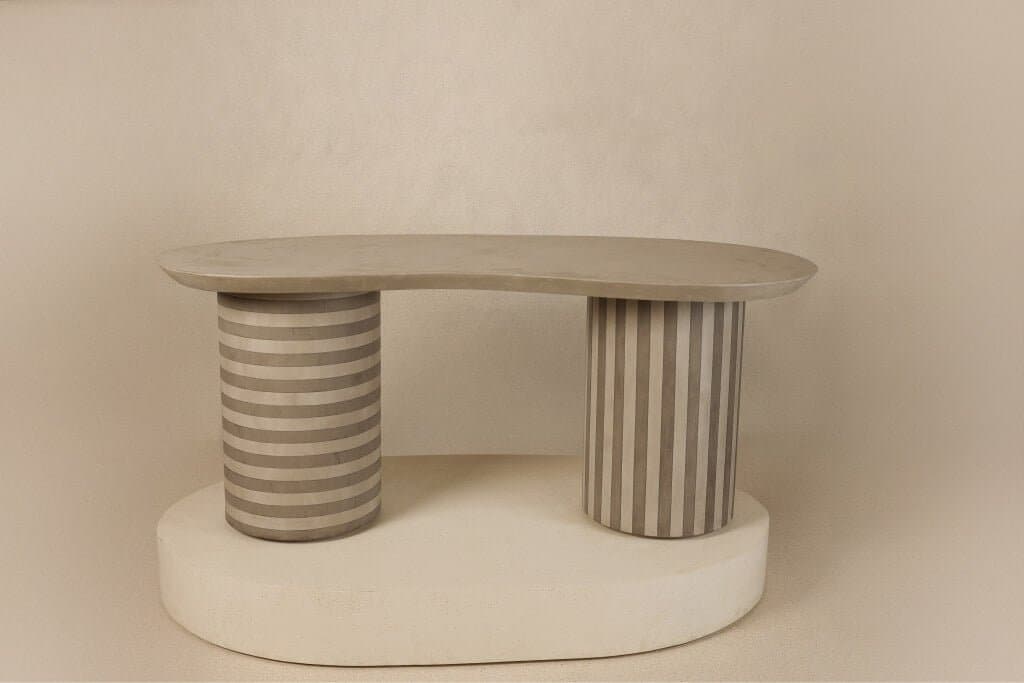
If you have been looking at modern homes, boutique hotels, design studios or architect led spaces lately, you have probably seen it.
Soft matte walls.
Seamless floors.
Calm, grounded furniture.
Everything looks connected. Nothing feels overdone. And there is one material quietly holding it all together.
Micro concrete.
It is appearing in floors, walls, furniture, kitchens, and even lighting. Designers love it. Homeowners are curious. Hotels are adopting it quickly.
So what exactly is micro concrete?
And why is everyone suddenly using it?
Let’s break it down clearly, without jargon.
What Exactly Is Micro Concrete
Micro concrete is a refined, engineered cement based material that is applied in very thin layers.
Think of it as the more controlled, more elegant sibling of regular concrete.
Traditional concrete is structural. It is rough, heavy, and usually hidden under finishes.
Micro concrete is designed to be seen. It is used as a surface finish and sometimes as part of furniture, because it gives a smooth, continuous, natural look.
What makes micro concrete different:
-
Thin application
-
Seamless finish
-
Soft, matte texture
-
Natural colours
-
Minimal maintenance
It brings the calm of concrete without the heaviness and roughness that we associate with construction sites.
Why Designers Love Micro Concrete
Architects and interior designers love materials that behave well.
Micro concrete ticks many boxes.
1. Seamless surfaces
Tiles create joints. Marble creates bold veining. Laminates feel artificial.
Micro concrete allows large continuous surfaces that feel calm and uninterrupted. It works beautifully in open plan Indian homes where rooms flow into each other.
2. Soft, diffused light
Glossy finishes bounce light harshly. Micro concrete absorbs and softens it.
Spaces feel warm, grounded and comfortable.
3. Works across many elements
Micro concrete can be used on:
This allows designers to reduce the number of materials used in a home.
Fewer materials. Better visual flow. Less visual noise.
Why Homeowners Are Choosing Micro Concrete
Designers may love aesthetics, but homeowners live with reality.
Micro concrete works for daily life.
Low maintenance
It is easier to clean than many stones, tiles and laminates. Dust wipes away easily. Spills do not stand out loudly.
Durable
It is tough, scratch resistant and stable. Indian homes deal with children, guests, movement, festivals, heavy foot traffic and frequent cleaning. Micro concrete handles all of it.
Timeless look
Micro concrete does not scream “trend”.
It feels natural, architectural and calm. That means it does not look outdated after two years.
This is also why many people start exploring concrete furniture and pieces finished in micro concrete once they experience how calm the material feels in real spaces.
Micro Concrete vs Traditional Concrete
This is where confusion usually happens.
Micro concrete
is not the same as
regular concrete.
Traditional concrete is:
-
thick
-
rough
-
structural
-
usually hidden
Micro concrete is:
It is more like a high performance skin, not a structural core.
Where Micro Concrete Works Best
Micro concrete is incredibly versatile. You will see it most commonly in:
Living rooms
Creates seamless floors and calm walls.
Kitchens
Counters and backsplashes look clean and minimal.
Bedrooms
Walls and side furniture feel soft and warm.
Bathrooms
When detailed correctly, it creates spa like spaces.
Retail and hospitality
Hotels, cafes, salons and galleries use it to create identity.
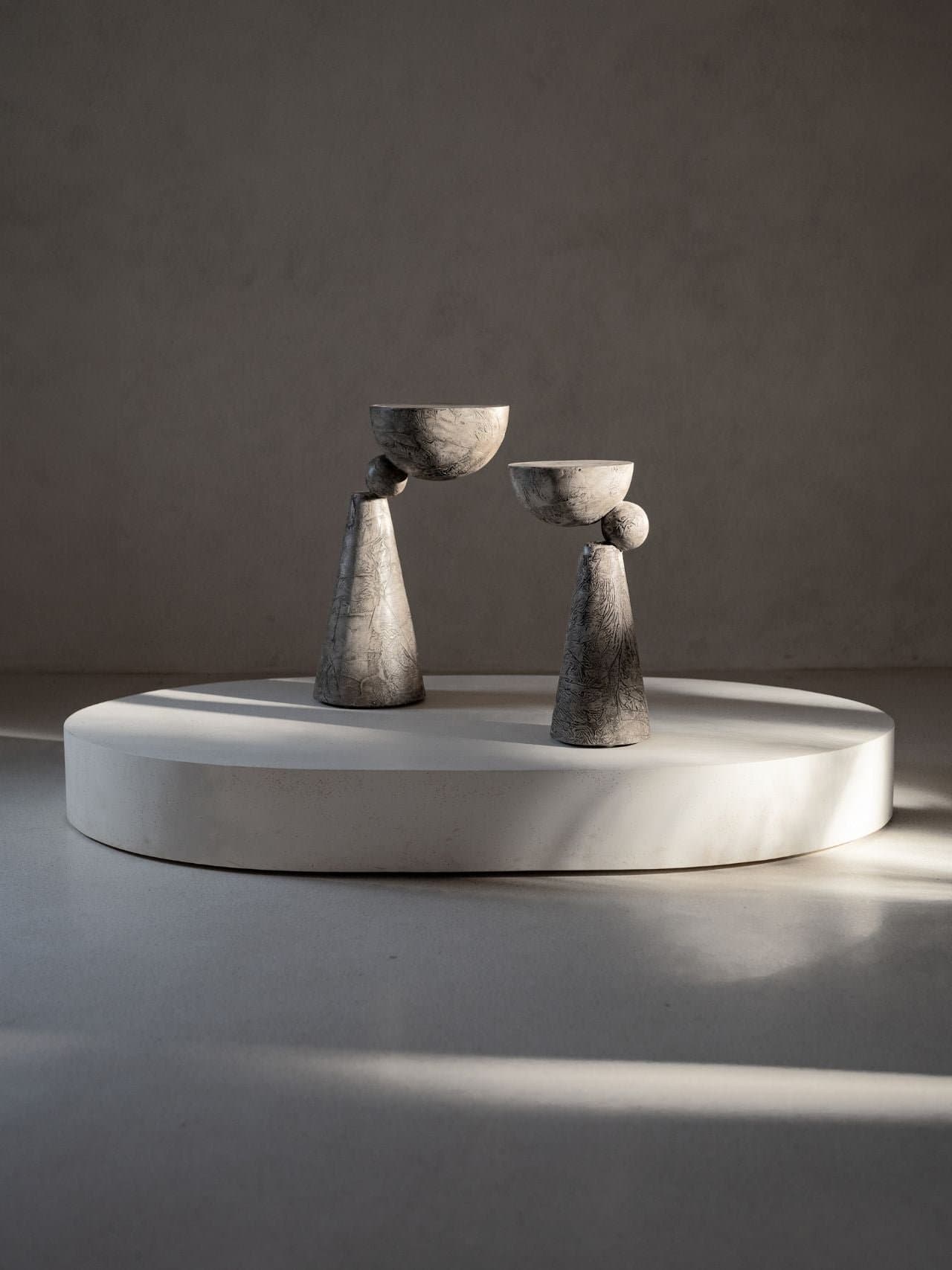
And increasingly, it is seen in micro concrete furniture such as benches, side tables, consoles, dining tables and sculptural pieces.
Does Micro Concrete Crack
This is the biggest question people ask.
The truth is simple.
Micro concrete does not crack on its own.
Poor workmanship causes cracks.
When applied correctly with the right base layers, reinforcement, curing and finishing, micro concrete is strong and stable.
This is why choosing experienced manufacturers and installers matters more than the material alone.
Is Micro Concrete Expensive
Micro concrete is not the cheapest material. But it is rarely chosen to save money.
People choose it because:
-
it replaces multiple finishes
-
it lasts longer
-
it reduces visual clutter
-
it feels premium without being loud
When you compare long term benefits, it usually offers very high value.
Why Micro Concrete Works So Well With Modern Minimal Interiors
Modern Indian interiors are moving away from heavy decoration.
Instead of lots of wallpapers, veneers, stones and laminates, people are choosing:
-
fewer materials
-
simpler forms
-
stronger pieces
-
cleaner spaces
Micro concrete fits perfectly into this philosophy.
It becomes the quiet background that allows architecture, art, and carefully chosen furniture to stand out.
Many people begin with walls or floors, and gradually add micro concrete furniture once they see how beautifully everything blends together.
Is Micro Concrete Just A Trend
No.
Trends rely on novelty.
Micro concrete works because it solves real, practical problems:
Materials that solve real problems always stay.
Where To Start If You Are Considering Micro Concrete
You do not need to renovate your entire home.
The easiest way to begin is with one surface or one piece of furniture. A side table. A centre table. A bench. A console.
It helps you understand the texture, behaviour and feel before committing to more.
If you are curious, exploring micro concrete furniture is often the best way to start experiencing the material in daily life.
Final Thoughts
Micro concrete is becoming popular not by accident, but because it makes modern living simpler.
It looks calm.
It feels natural.
It requires less effort.
It stays relevant for years.
That is why designers recommend it.
That is why homeowners choose it.
And that is why you are suddenly seeing it everywhere.
It is not just another interior trend.
It is a smarter way to build spaces that feel intentional, timeless and deeply comfortable.