If you have walked into a newly designed home, boutique hotel, or contemporary workspace recently, chances are the floor felt different.
No grout lines.
No shine.
No visual noise.
Just one continuous surface that felt calm, grounded, and intentional.
That surface was likely micro concrete flooring.
Once seen as experimental, micro concrete flooring is now becoming a serious alternative to tiles, marble, and stone in Indian interiors. Architects, designers, and developers are choosing it not because it looks different, but because it works better for how spaces are actually used today.
This blog explains what micro concrete flooring is, where it works best, and why it is becoming a preferred choice across residential and hospitality projects in India.
What Is Micro Concrete Flooring
Micro concrete flooring is a cement based flooring system applied in thin layers over an existing base. Unlike traditional concrete slabs, micro concrete is designed as a finished surface.
It creates a seamless floor without joints, patterns, or heavy texture.
Key characteristics of micro concrete flooring:
Because it is applied as a surface layer, micro concrete flooring is often used in renovation projects where removing existing flooring is not ideal.
Why Micro Concrete Flooring Is Gaining Popularity in India
Indian interiors are changing, and flooring expectations have changed with them.
1. Seamless Spaces Matter More Now
Open plan homes are common in modern Indian apartments. Living, dining, and kitchen areas flow into each other.
Traditional tiles and stones break this flow with joints and colour variations. Micro concrete flooring creates continuity across rooms, making spaces feel larger and calmer.
2. Visual Calm Over Decoration
Glossy floors reflect light aggressively and show wear quickly. Micro concrete absorbs light softly, creating a grounded atmosphere.
This is especially important in minimal interiors where floors act as a backdrop rather than a feature.
3. Practicality for Daily Living
Indian homes deal with dust, humidity, spills, heavy use, and frequent cleaning. Micro concrete flooring is durable, easy to clean, and visually forgiving over time.
These practical benefits are a major reason homeowners are switching.
Micro Concrete Flooring vs Tiles and Marble
This comparison is where most people pause before deciding.
Compared to Tiles
Tiles are familiar and widely used, but they come with grout lines that stain and age unevenly.
Micro concrete flooring eliminates joints completely. Cleaning becomes easier, and the floor looks consistent even after years of use.
Compared to Marble and Stone
Natural stone looks premium but requires sealing, polishing, and careful maintenance. It also reflects light strongly and can feel cold.
Micro concrete flooring offers a more relaxed, contemporary aesthetic with far less upkeep.
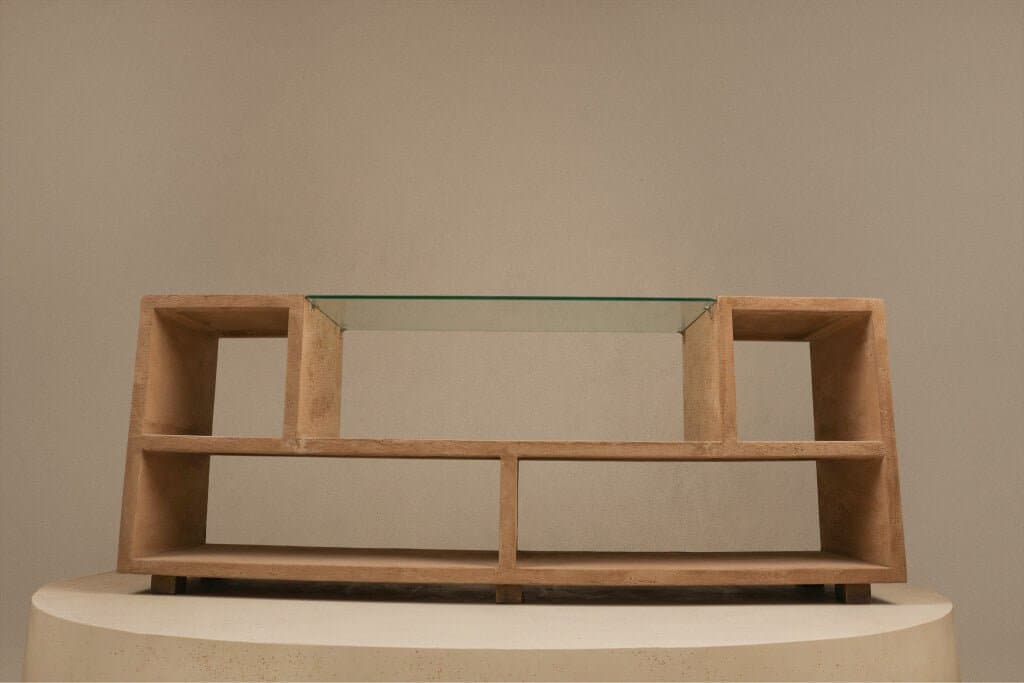
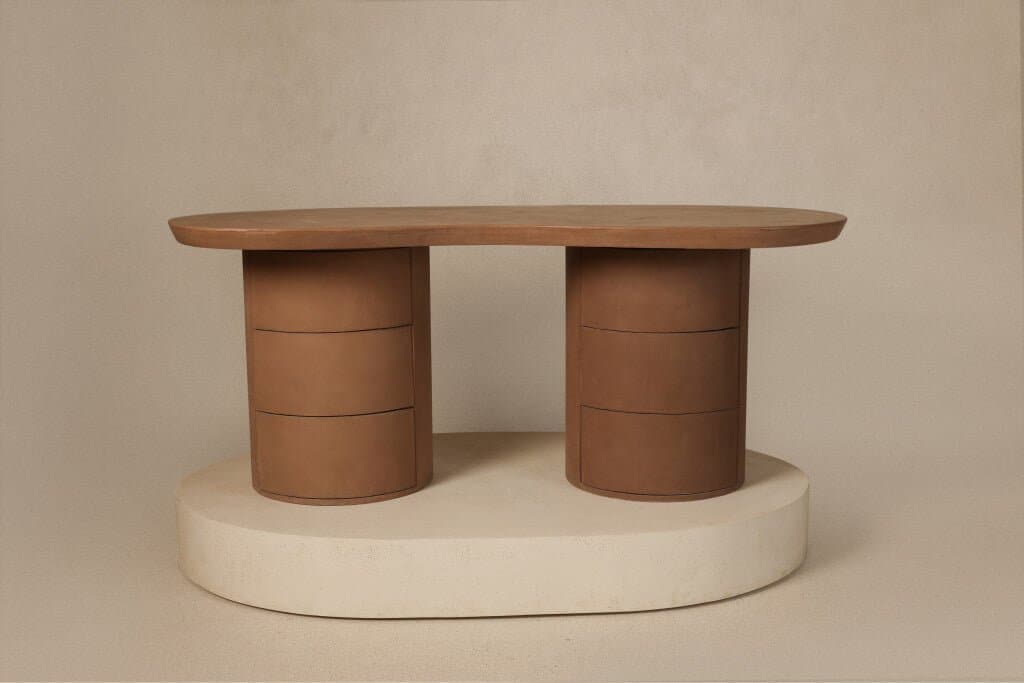
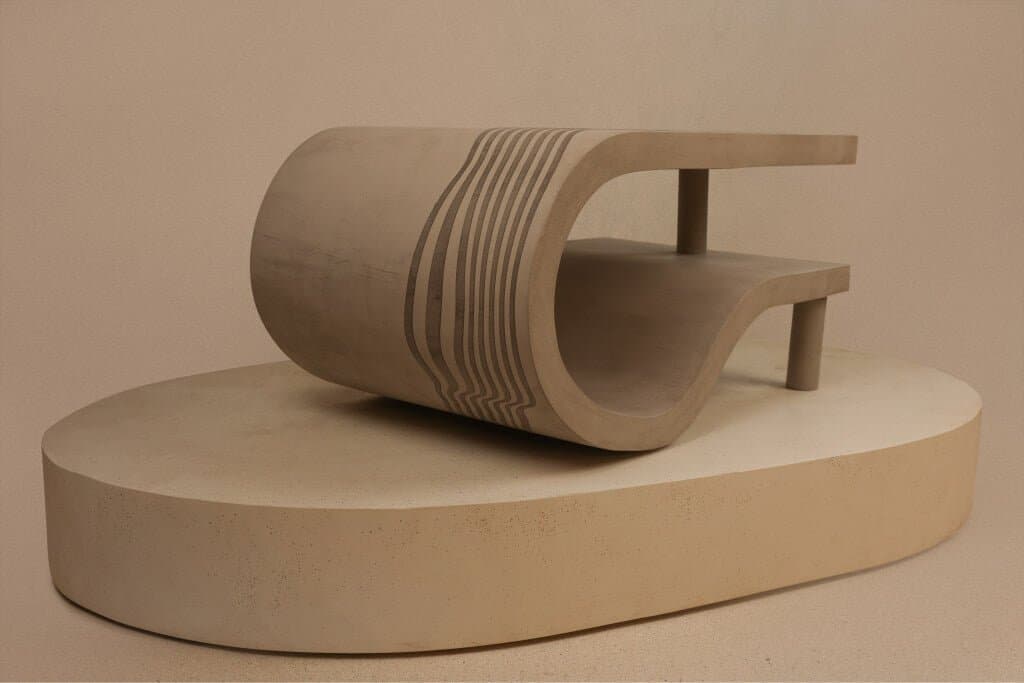
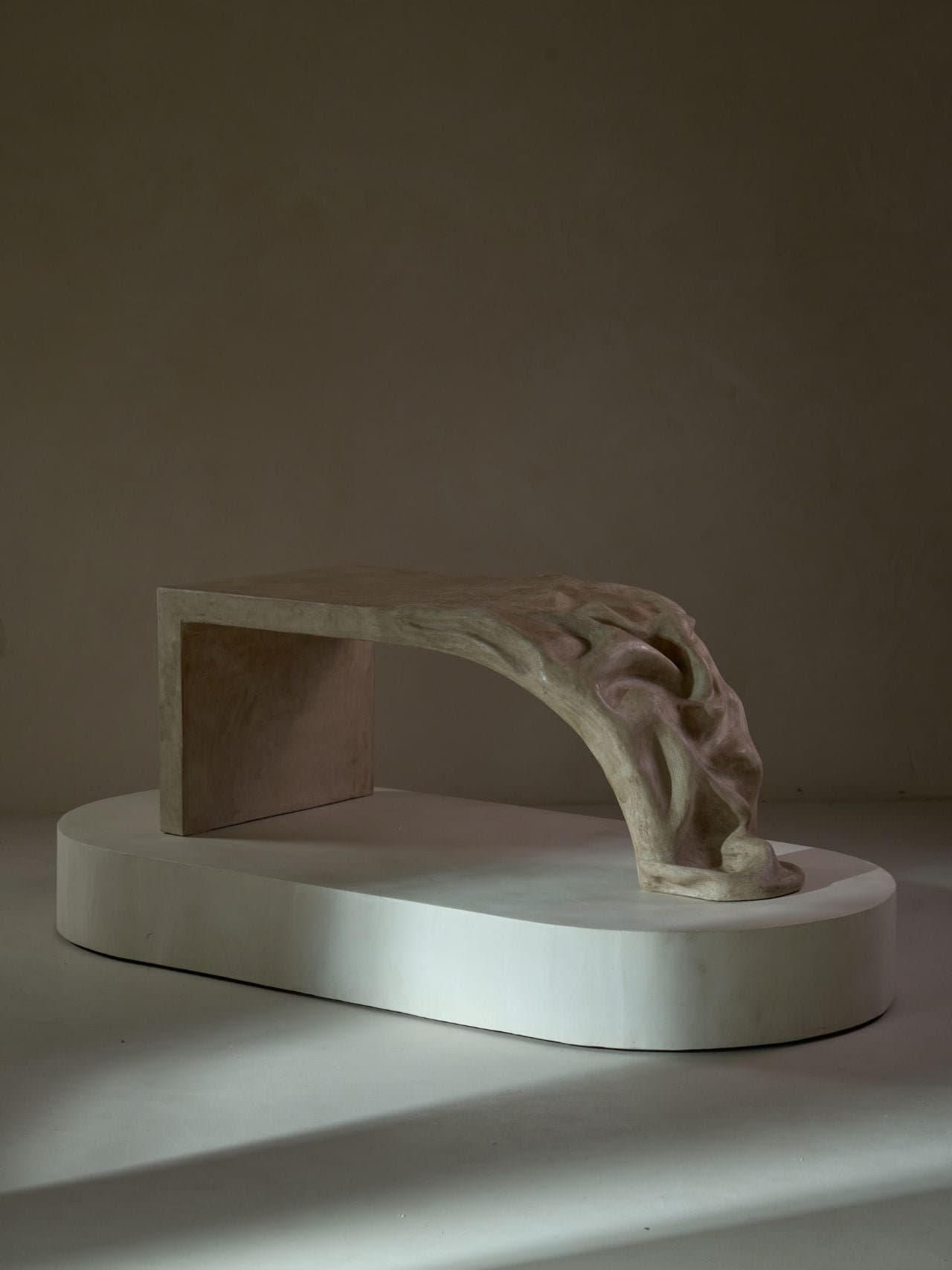
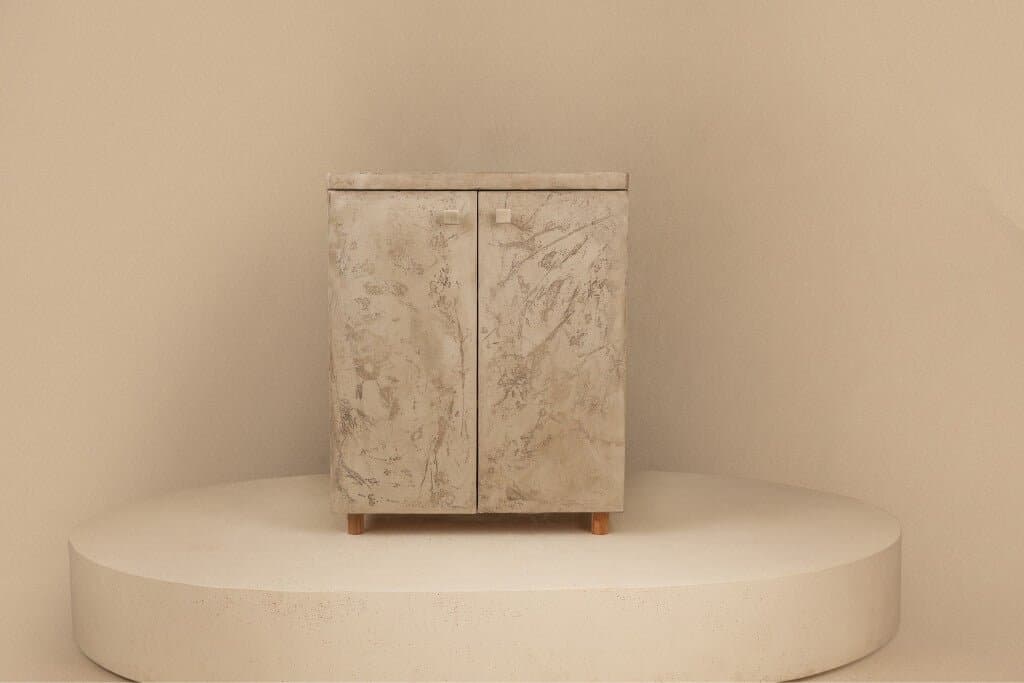
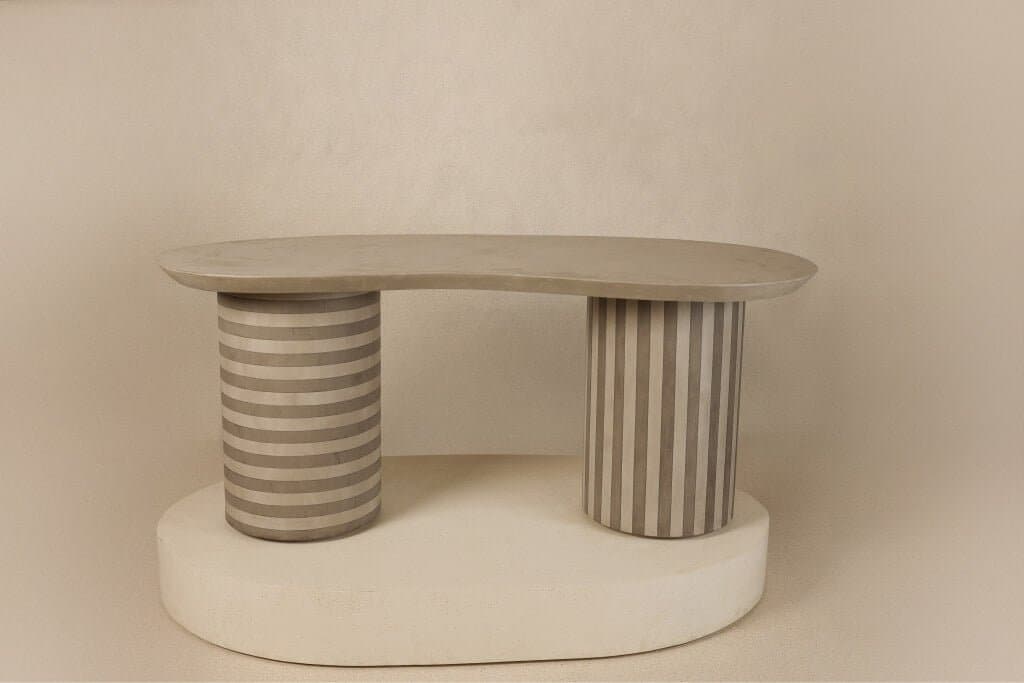
This is why many designers combine micro concrete flooring with micro concrete furniture to maintain a consistent material language across the space.
Where Micro Concrete Flooring Works Best
Micro concrete flooring is versatile and adapts well to different environments.
Living Rooms
Creates a calm base that allows furniture and art to stand out.
Kitchens
Works well when sealed correctly and detailed properly.
Bedrooms
Adds softness and warmth without visual clutter.
Bathrooms
Creates spa like spaces when executed by experienced professionals.
Hotels and Commercial Spaces
Handles heavy foot traffic while maintaining visual consistency across rooms and common areas.
Does Micro Concrete Flooring Crack
This is the most common concern.
Micro concrete flooring does not crack on its own. Cracks occur due to poor base preparation or incorrect application.
When installed correctly with proper reinforcement and curing, micro concrete flooring is stable and long lasting.
This is why choosing the right system and installer matters more than the material itself.
Maintenance and Longevity
One of the strongest reasons people choose micro concrete flooring is ease of maintenance.
Instead of looking worn, micro concrete floors tend to look lived in, which suits modern interiors well.
Is Micro Concrete Flooring Expensive
Micro concrete flooring is not a budget flooring option, but it is not chosen purely for cost.
People choose it because:
-
It replaces multiple finishes
-
It reduces long term maintenance
-
It lasts longer visually
-
It suits minimal and luxury interiors
When considered over time, it often proves cost effective compared to materials that require frequent upkeep or replacement.
Why Designers Prefer Micro Concrete Flooring for Minimal Interiors
Minimal interiors leave little room for error. Every surface is visible.
Micro concrete flooring supports minimal design by offering:
-
Material honesty
-
Visual restraint
-
Seamless continuity
-
Long term relevance
Designers often treat flooring as the foundation of the space. Micro concrete provides a foundation that does not compete for attention.
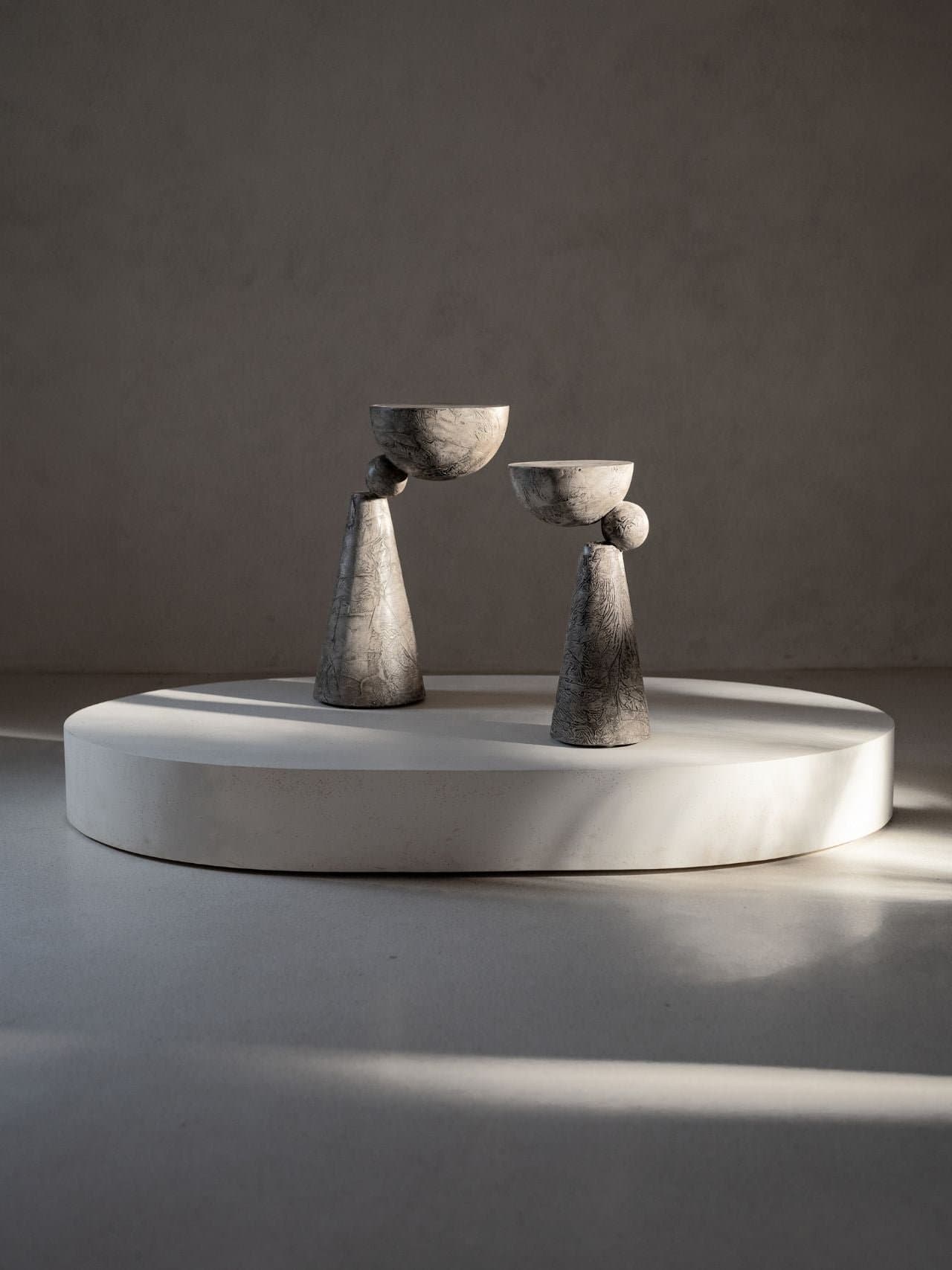
Many projects begin with flooring and later introduce concrete furniture to strengthen the overall design language.
How to Decide if Micro Concrete Flooring Is Right for You
Micro concrete flooring works best if you:
-
Prefer calm, understated spaces
-
Want fewer materials in your home
-
Value long term aesthetics over trends
-
Dislike high maintenance finishes
It may not be ideal if you:
-
Prefer glossy or patterned floors
-
Enjoy frequent design changes
-
Want fast installation without professional detailing
Being clear about expectations ensures better outcomes.
How to Start With Micro Concrete Without Full Renovation
You do not need to redo your entire home.
Many people start with one area:
-
a living room
-
a bedroom
-
a retail space
-
a hotel corridor
This allows you to experience the material before expanding it across other areas.
Final Thoughts
Micro concrete flooring is becoming popular in India because it simplifies interiors.
It removes visual noise.
It reduces maintenance stress.
It supports modern living.
For homes and hospitality spaces moving toward minimal, material driven design, micro concrete flooring is not just another option.
It is a foundation.