Look around your home for a moment.
Try to remember how long each piece of furniture has actually stayed.
The dining table.
The coffee table.
The side chairs.
The bench in the hallway.
Two years?
Three years?
Maybe five?
Most furniture today is not designed to stay. It is designed to pass through your home quietly before the next thing arrives.
You buy it.
You live with it.
You replace it.
And the cycle repeats.
The strange part is that almost nobody plans this cycle. It just happens slowly.
But once you see it, you cannot unsee it.
The silent cost of replaceable furniture
Furniture that is replaced every few years does not just cost money.
It creates instability in your space.
Every time something changes, the room resets.
The balance shifts.
The space starts negotiating again.
This is why many homes never feel finished. They are constantly in transition.
You adjust the layout.
You move pieces around.
You add decor to compensate.
What you are really searching for is permanence.
Why most furniture feels temporary
The modern furniture market thrives on novelty.
Thin legs.
Light frames.
Compressed boards.
Short production cycles.
These pieces look appealing at first glance, but they rarely carry visual weight or emotional certainty.
They are not built to anchor a room.
They are built to fill it.
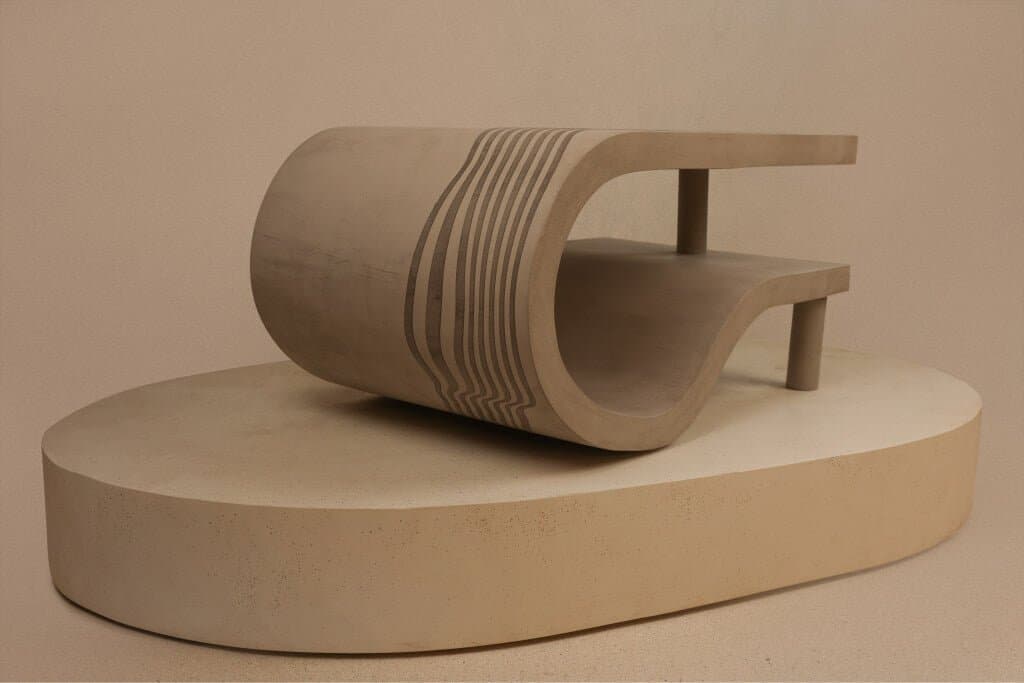
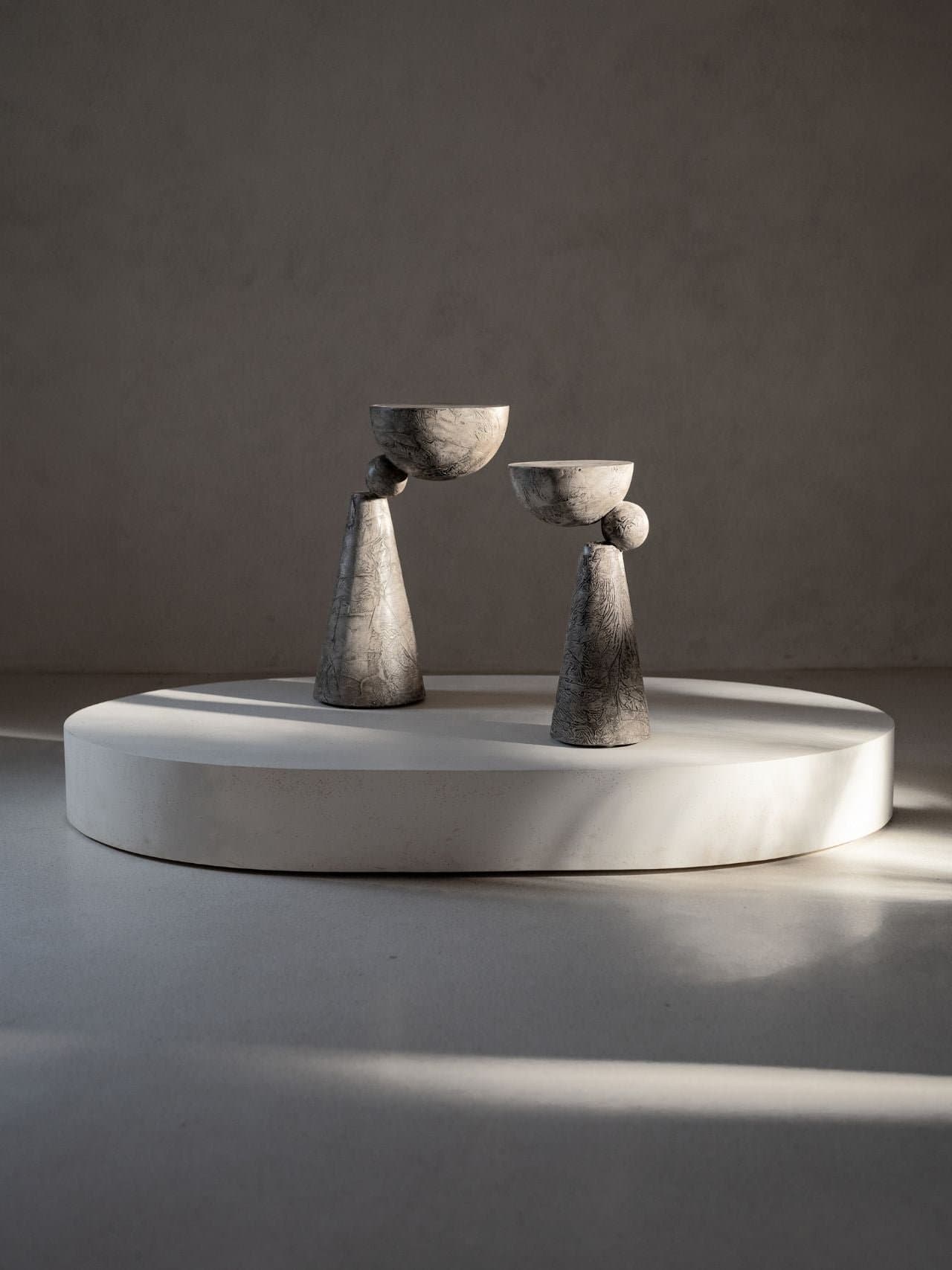
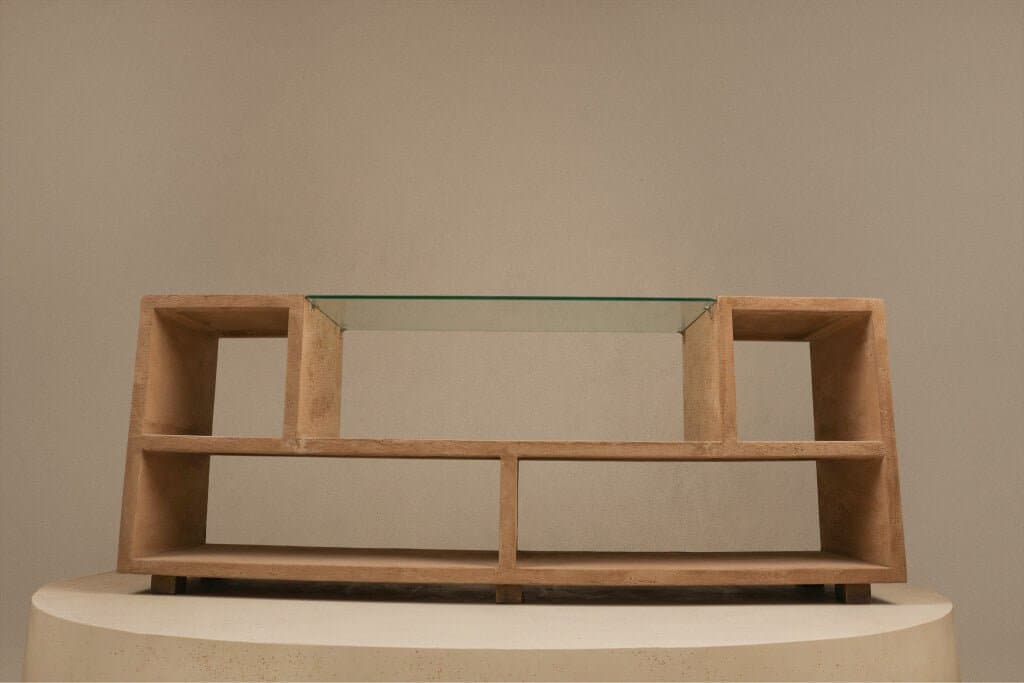
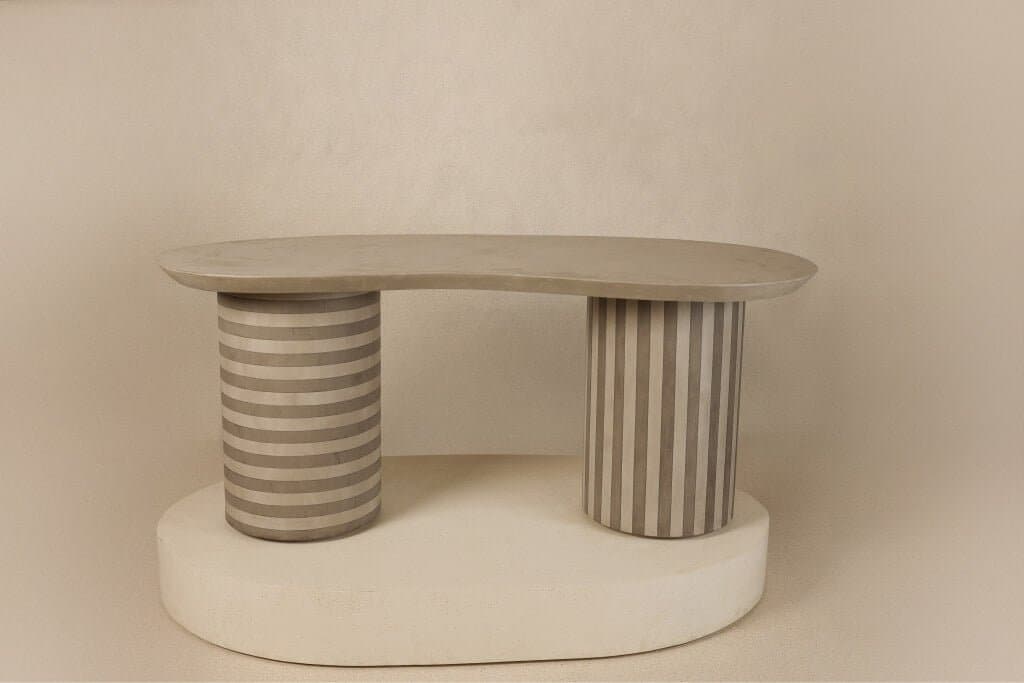
This is why so many people eventually move toward concrete furniture without even planning to. Not because it is fashionable, but because it offers something most furniture does not.
Stability.
Architects rarely design homes around replaceable objects
When architects think about interiors, they begin with structure.
They look for elements that behave like part of the architecture itself.
Objects that feel grounded.
Objects that feel permanent.
Objects that do not apologise for existing.
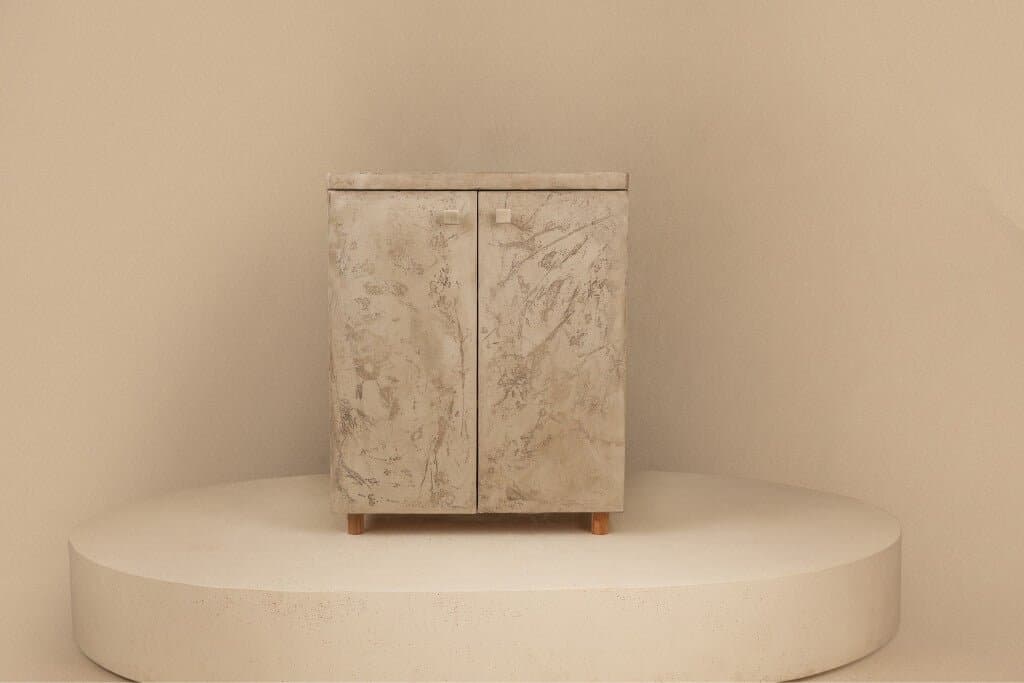
This is why architect-led homes often include materials like engineered concrete. Unlike many lightweight materials, engineered concrete offers both durability and presence.
It does not try to look delicate.
It simply stays.
Permanence changes how a room behaves
When a room contains at least one piece that feels permanent, everything else settles.
You stop rearranging constantly.
You stop searching for the next improvement.
You stop feeling like something is missing.
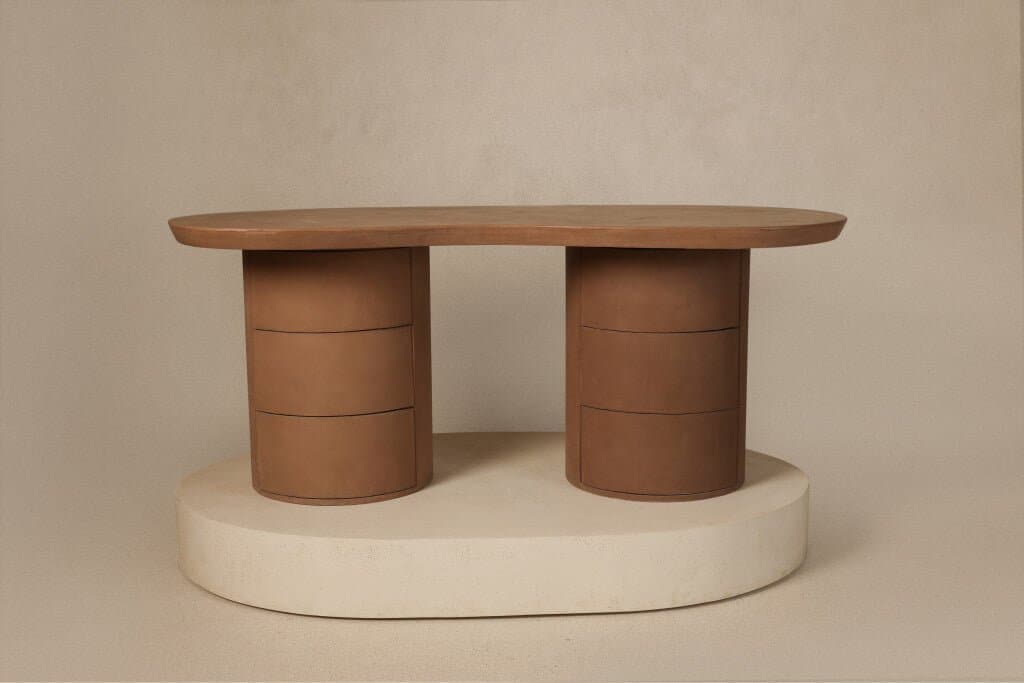
A strong dining table can anchor an entire living space.
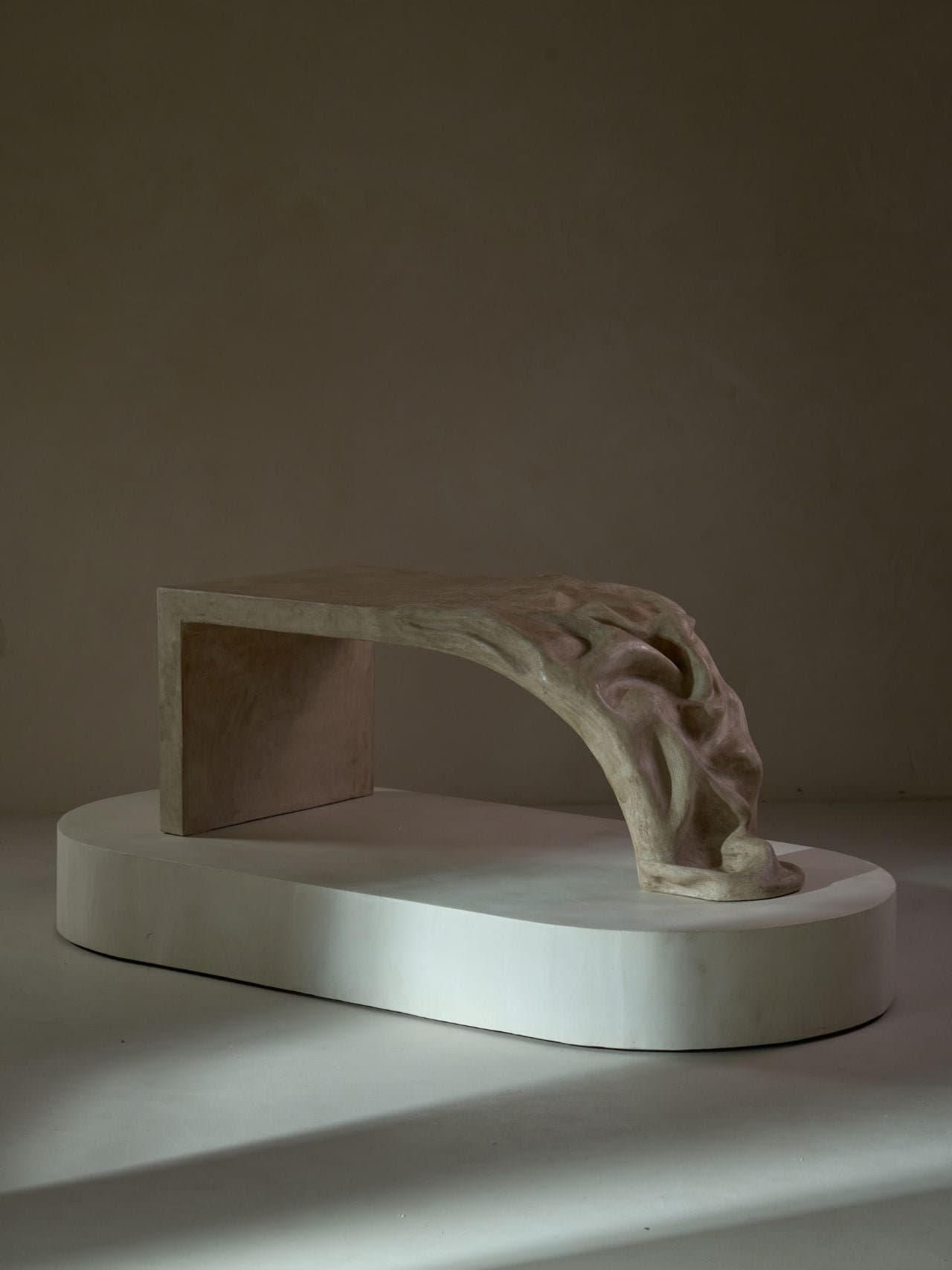
A simple seating element like concrete benches along a wall can remove the need for multiple decorative pieces.
Even seating such as concrete chairs introduces a sense of certainty that lightweight furniture rarely achieves.
The room stops negotiating with you.
Cheap furniture is expensive. Permanent furniture is economical
This is the irony most people realise too late.
Replacing furniture every two or three years costs far more than buying something once and living with it for decades.
Not only financially.
Emotionally.
Every replacement restarts the cycle of adjustment and dissatisfaction.
At some point, people stop searching for deals and start searching for resolution. That is often when they decide to buy concrete furniture, not because it is trendy, but because they want to stop replacing things.
Fewer pieces. Stronger spaces.
The strongest homes are rarely filled with furniture.
They are defined by a few pieces that carry enough responsibility.
One strong table instead of layered surfaces.
One grounded bench instead of multiple stools.
One seating arrangement that feels settled rather than temporary.
Materials like engineered concrete naturally support this approach because they bring mass, balance, and calm to a room.
Decor becomes optional when furniture itself feels complete.
The moment people stop replacing furniture
There is usually a turning point.
It happens when someone brings home one object that does not feel temporary.
It does not wobble.
It does not demand careful handling.
It does not look like it belongs to a trend.
It feels inevitable.
From that moment onward, the room changes.
Not because something new arrived.
But because the cycle of replacement finally ended.
Final thought
Most people think they are buying furniture.
What they are really buying is a sense of completion.
Until you choose pieces designed to stay, that feeling will always remain just out of reach.
Furniture made with materials like engineered concrete exists for one reason.
Not to impress quickly.
But to remain convincing for years.
And sometimes, the most powerful design decision you can make is simply this:
Stop replacing furniture.
Start choosing pieces that last.