Introduction
There was a time when every home celebrated wood. Today, modern interiors have moved toward calm spaces, clean architecture, and timeless materials. Concrete furniture has become a natural choice for homes that seek permanence and design clarity. From a concrete dining table to a concrete bench or concrete desk, this material brings balance, strength, and sculptural beauty to everyday living.
1. Concrete Lasts Longer and Ages Better
Concrete does not react to humidity or sunlight the way wood does. It stays stable, smooth, and grounded even in Indian climates that are harsh on wooden surfaces.
Wood expands, stains, swells, and fades. Concrete grows softer with age and retains structural integrity.
A concrete dining table does not bend or warp. A concrete coffee table does not fear water rings. A concrete bench stays firm even outdoors. A concrete desk stays stable through temperature changes.
Concrete does not just last longer. It ages with dignity.
2. Concrete Allows Sculptural Forms That Wood Cannot
Wood is limited by grain direction, thickness, and joinery. Concrete offers freedom of form.
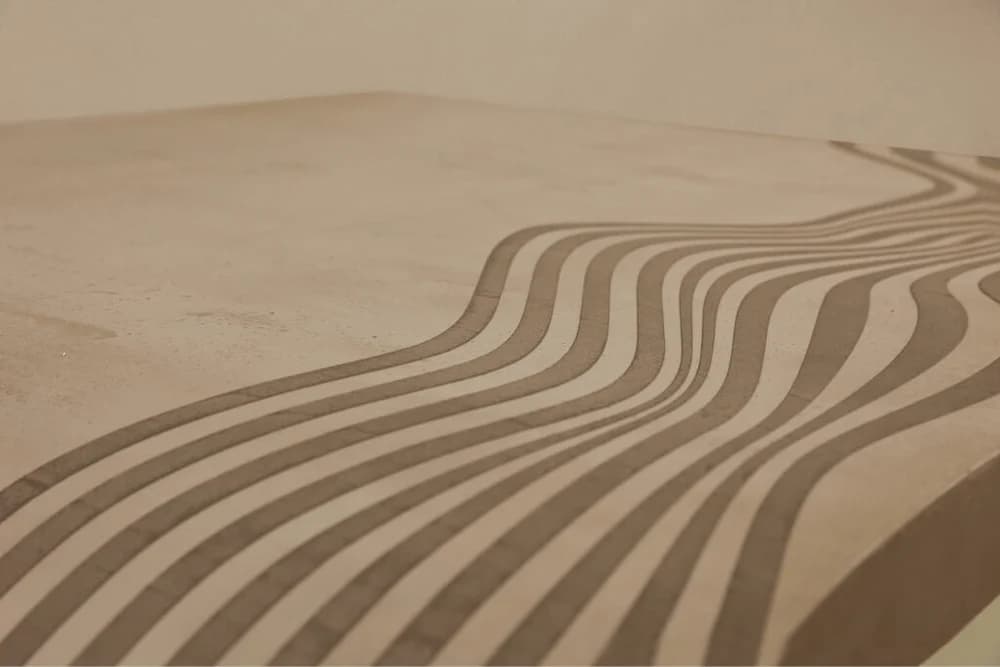
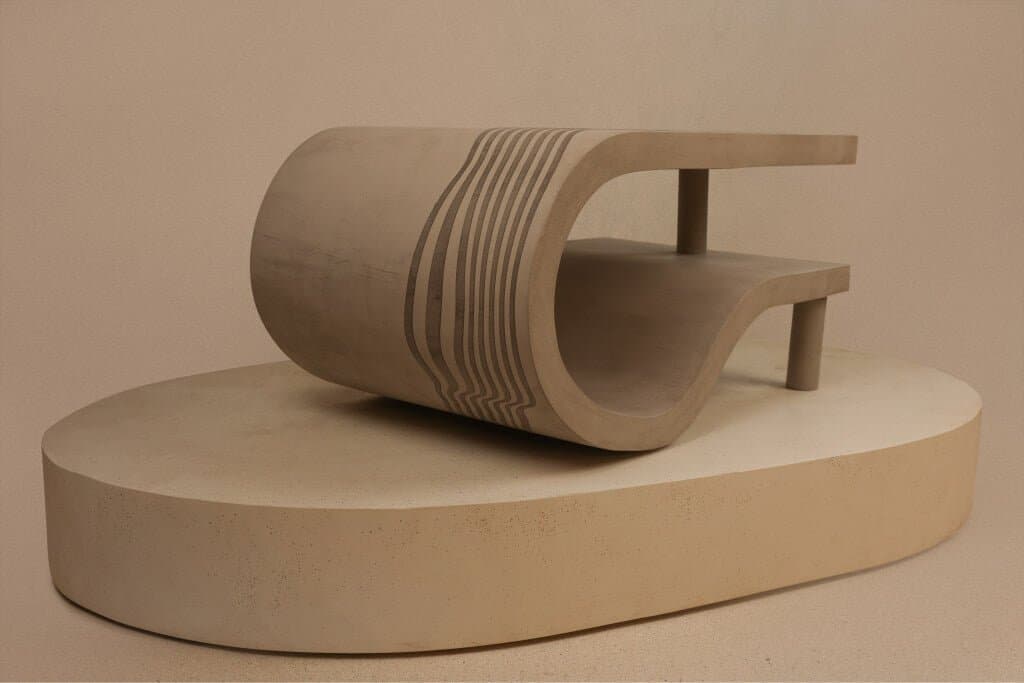
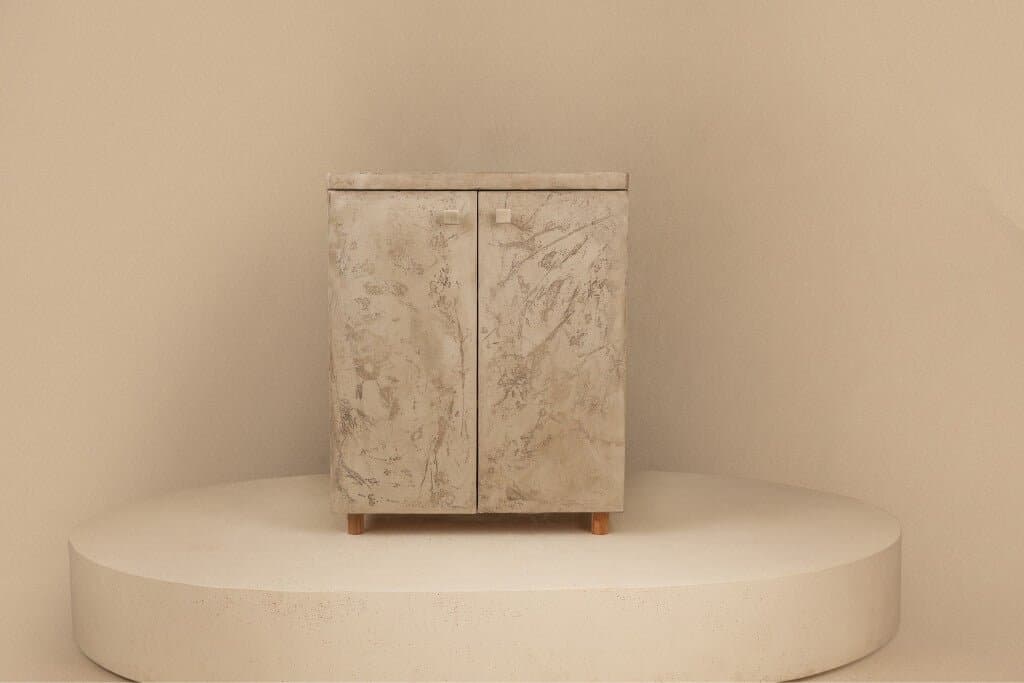
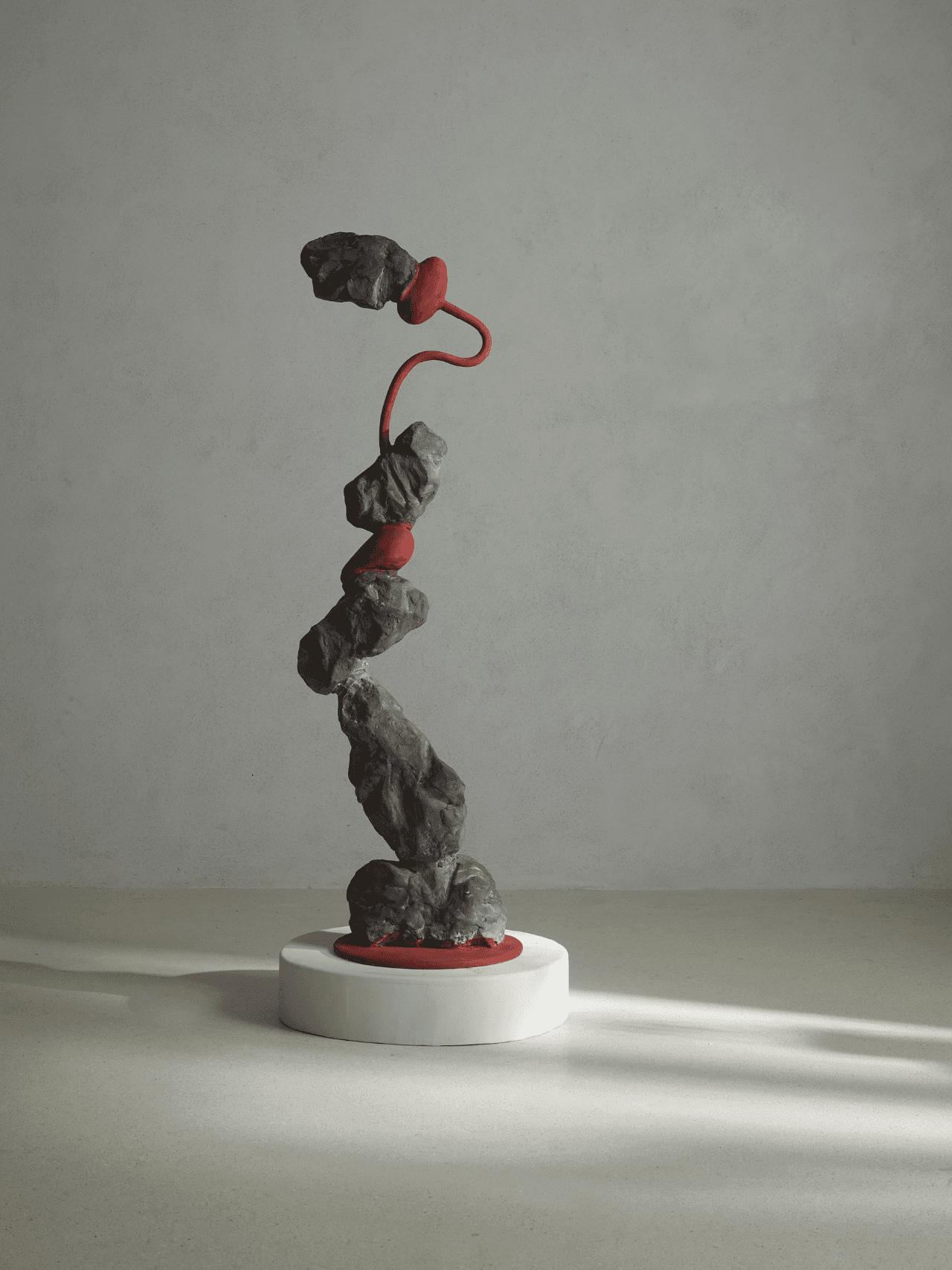
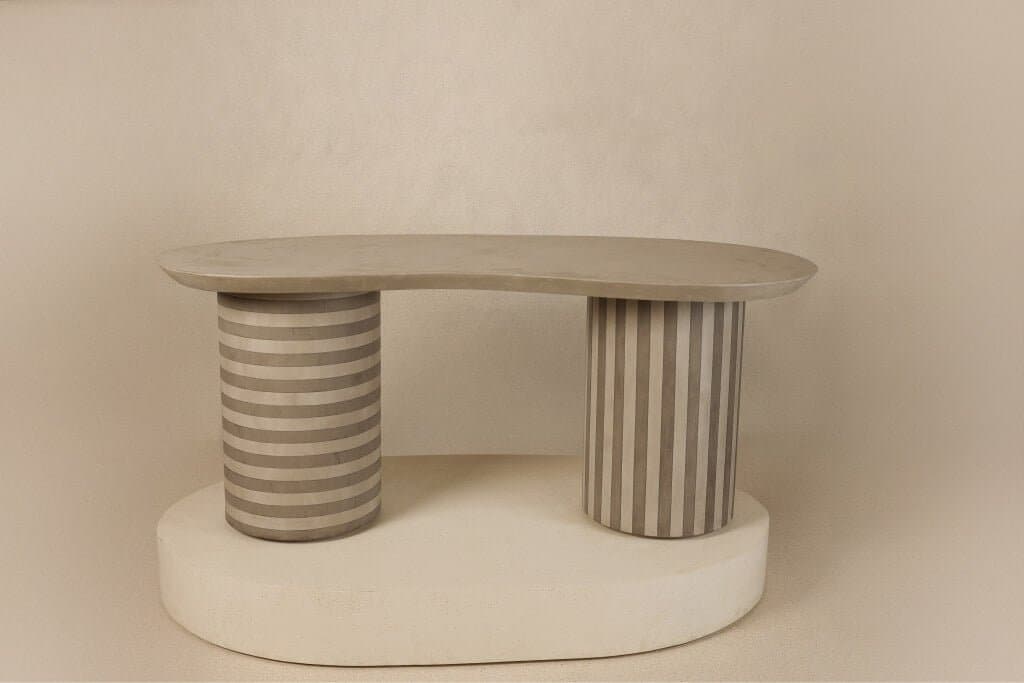
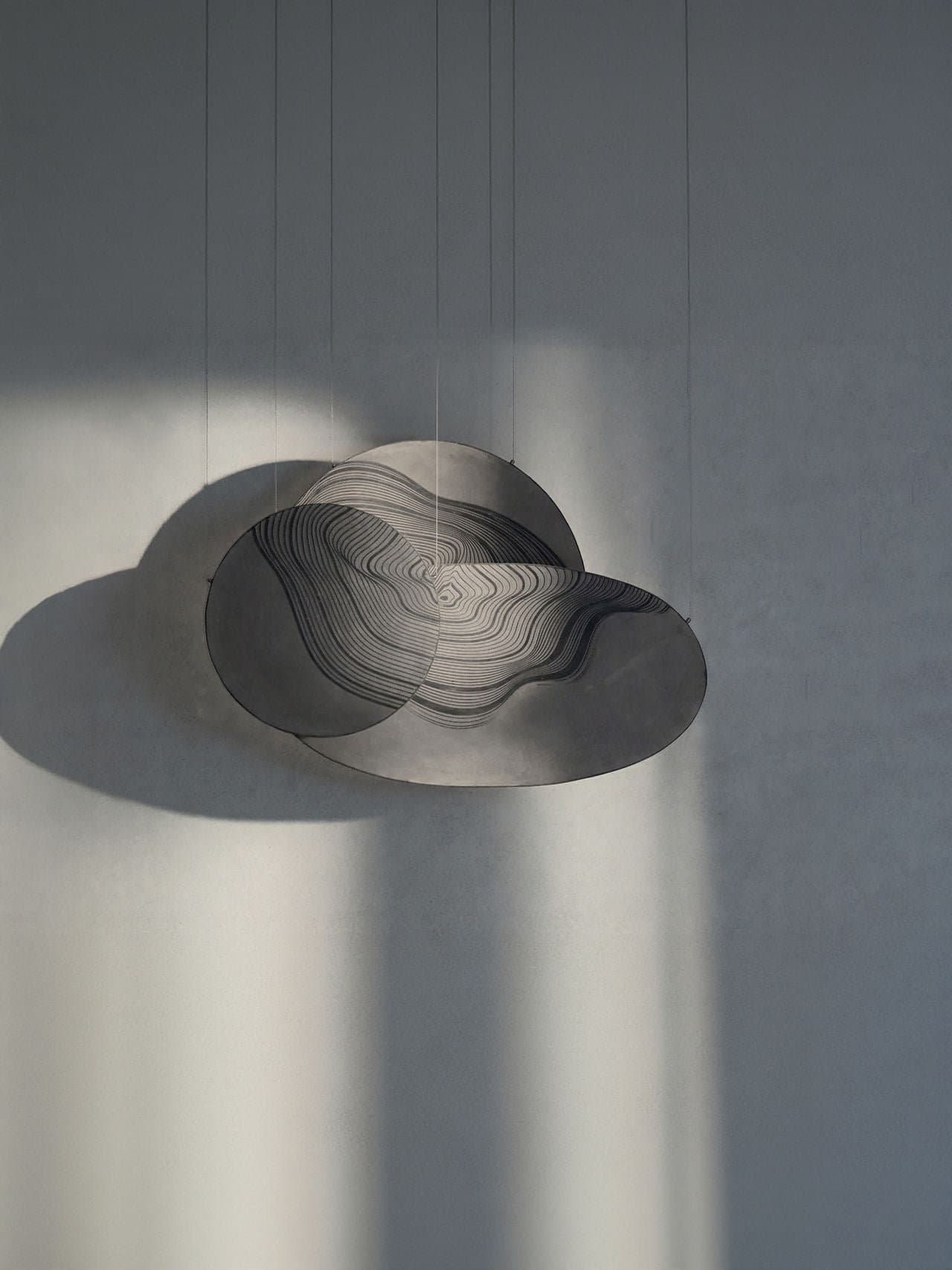
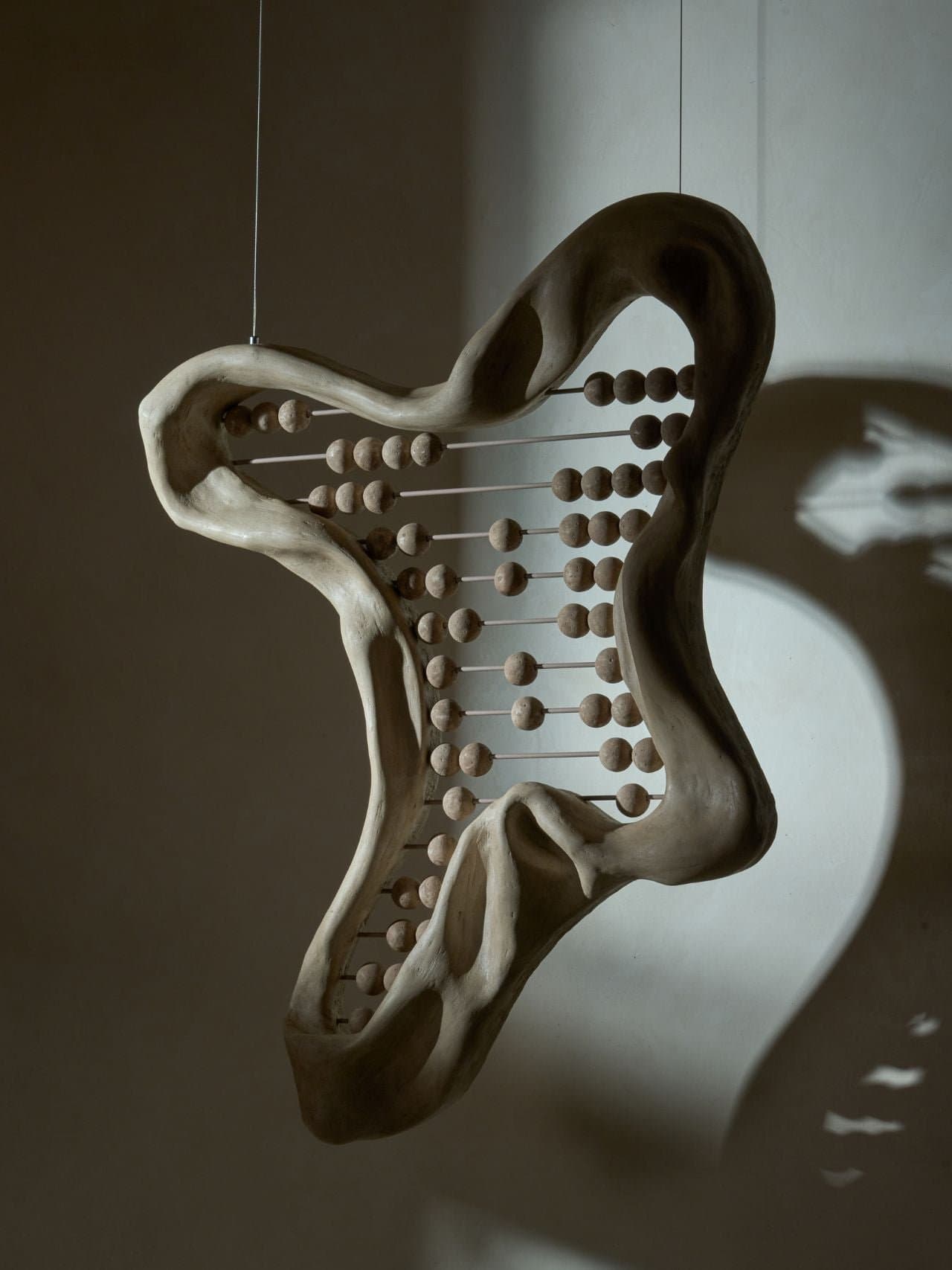
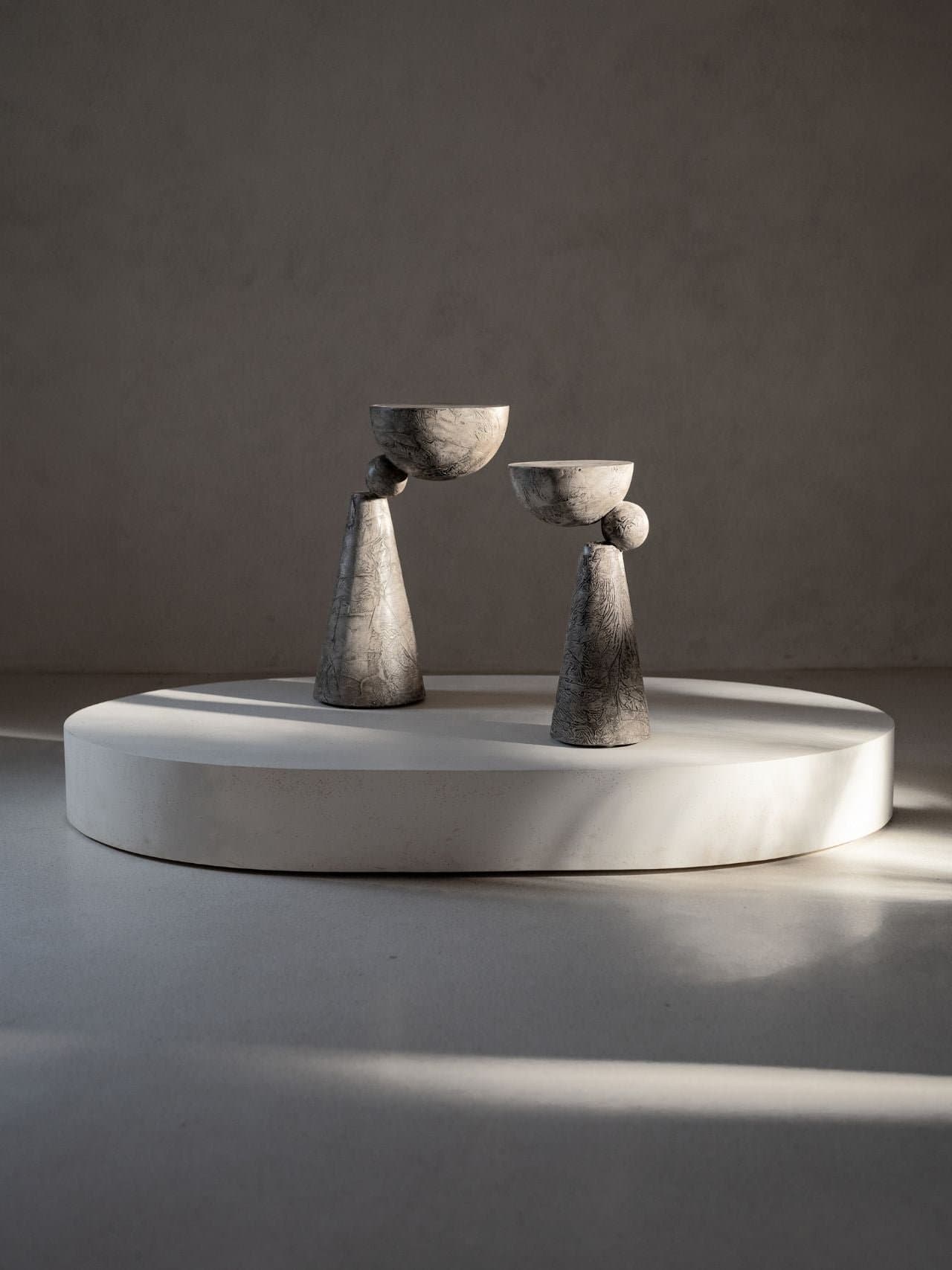
It can be cast into thin planes, arches, curved edges, organic waves, or monolithic blocks. This is why sculptural concrete furniture is becoming a part of luxury homes, boutique hotels, and modern office spaces in India.
Concrete furniture is not carved. It is shaped.
This unlocks design possibilities that wood cannot achieve.
3. Concrete Matches Modern Interiors More Naturally
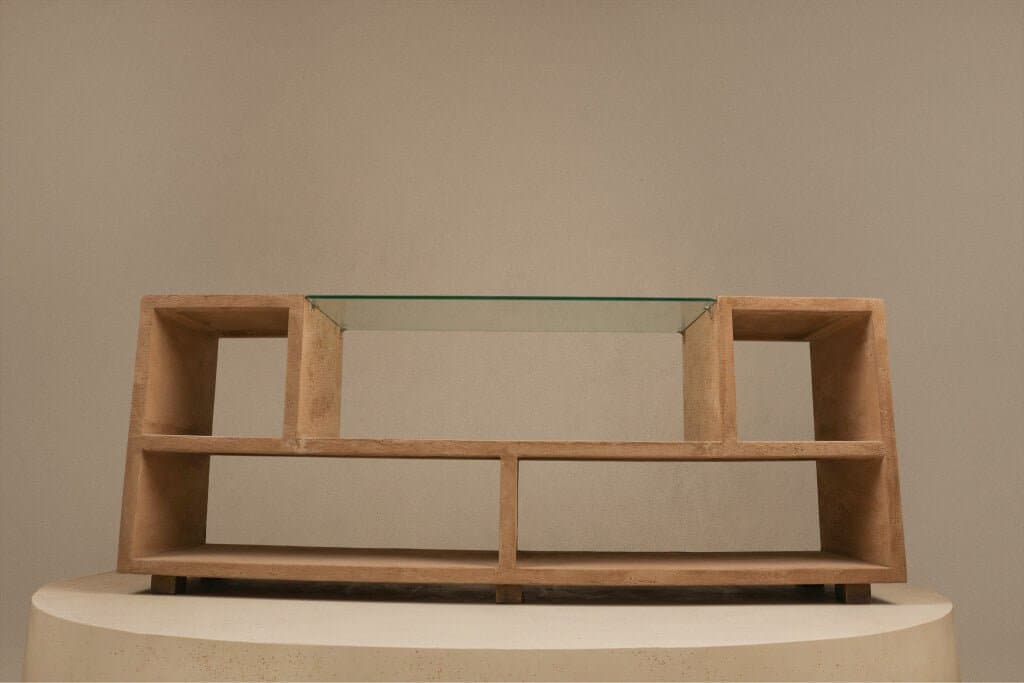
Modern homes are becoming minimal and architectural. Concrete blends beautifully with stone, glass, linen, steel, and neutral palettes. It complements sunlight and shadows without dominating the room.
Wood often adds visual busyness and dated heaviness. Concrete brings calm rhythm and balance.
A concrete dining table looks like part of the structure. A concrete coffee table feels like it belongs to the room instead of floating above it. A concrete bench works as both seating and spatial division.
Concrete defines the space instead of decorating it.
4. Concrete Is Easier to Maintain Than Wood
Wood demands care. Concrete does not.
Wood needs polish, protection from spills, coasters, termite control, and temperature stability.
Concrete care involves simple steps:
- wipe with a soft cloth
- use mild cleaners
- re seal based on finish
- avoid dragging heavy objects
Concrete does not ask you to be careful. It lets you live freely.
5. Concrete Supports Sustainable and Long Lasting Design
Many wooden products today come from fast farmed timber and chemically treated finishes that are not sustainable.
Concrete furniture uses locally sourced minerals, recycled stone dust, and long lasting finishes. It is made to stay with you for decades, not replaced every few years.
Sustainability is not only about materials. It is about longevity. Concrete encourages slower consumption and responsible living.
Where Concrete Works Best in Your Home
Living Room
A concrete coffee table grounds the space and complements soft seating.
Dining Room
A concrete dining table creates permanence and presence.
Study Area
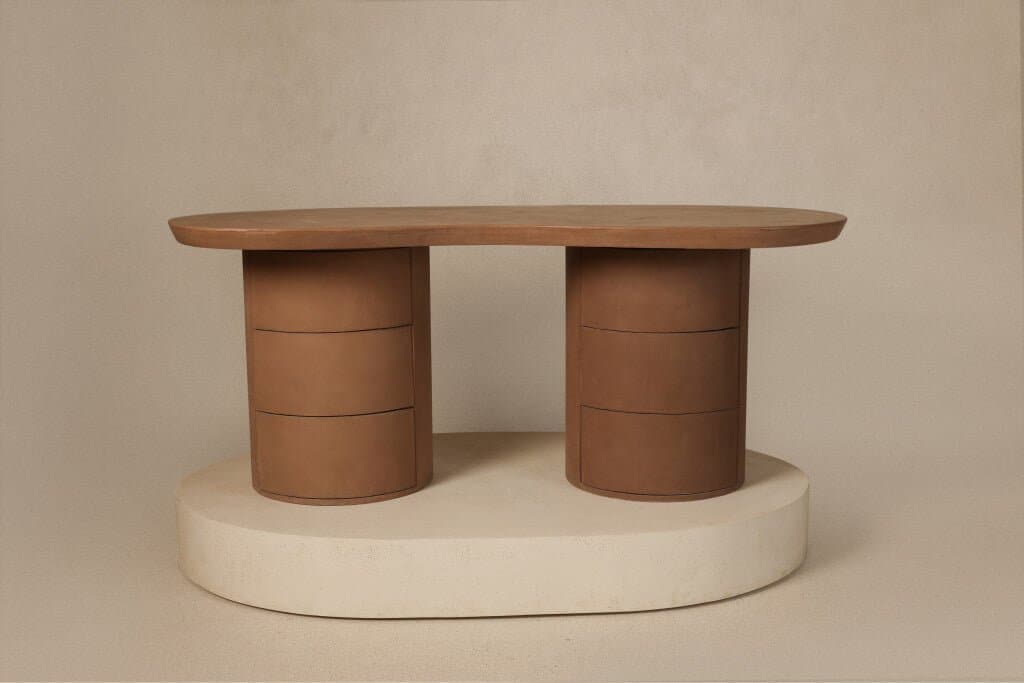
A concrete desk offers focus and stability.
Passage or Entryway
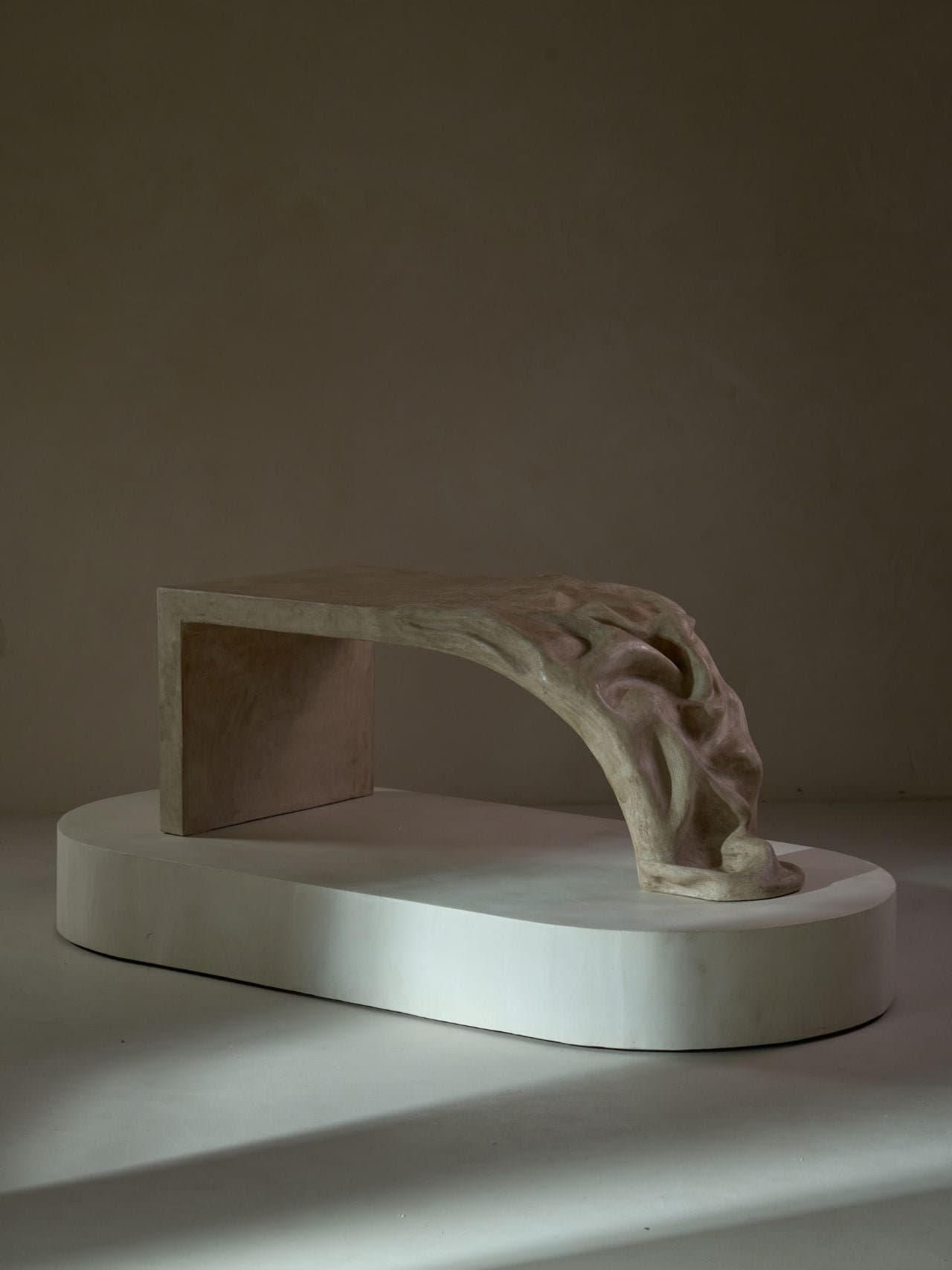
A concrete bench serves as both seating and a spatial element.
Concrete does not fill space. It shapes it.
The Emotional Difference
Wood feels nostalgic. Concrete feels intentional. Wood remembers the past. Concrete supports the future.
One material carries tradition. The other carries clarity.
Modern living needs clarity.
Final Thoughts
This is not a rejection of wood. It is an evolution of taste and design. Concrete furniture lasts longer, styles easier, and aligns with contemporary architecture.
It is calm. It is sculptural. It is timeless.
Concrete is not here to replace wood. It is here to redefine how furniture belongs in a space.